

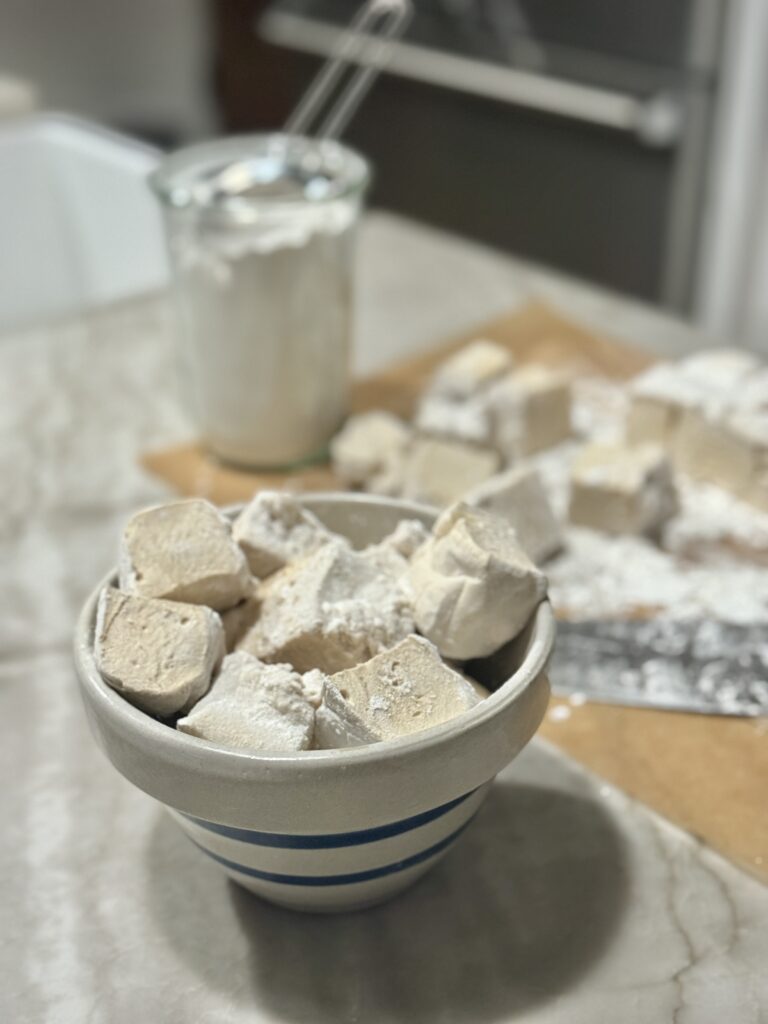
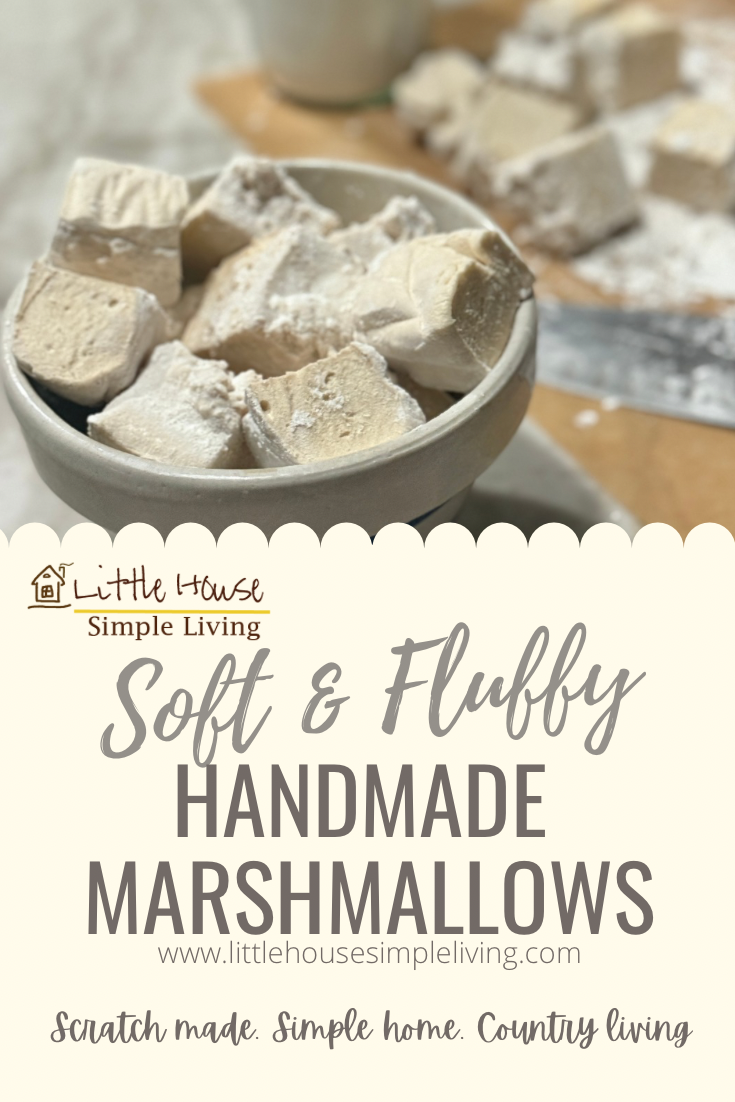
Here’s a recipe for handmade marshmallows using honey, maple syrup, and marshmallow root. These natural sweeteners and the traditional marshmallow root create a unique, fluffy treat without refined sugar or artificial ingredients.
Ingredients
1 1/4 tablespoons marshmallow root
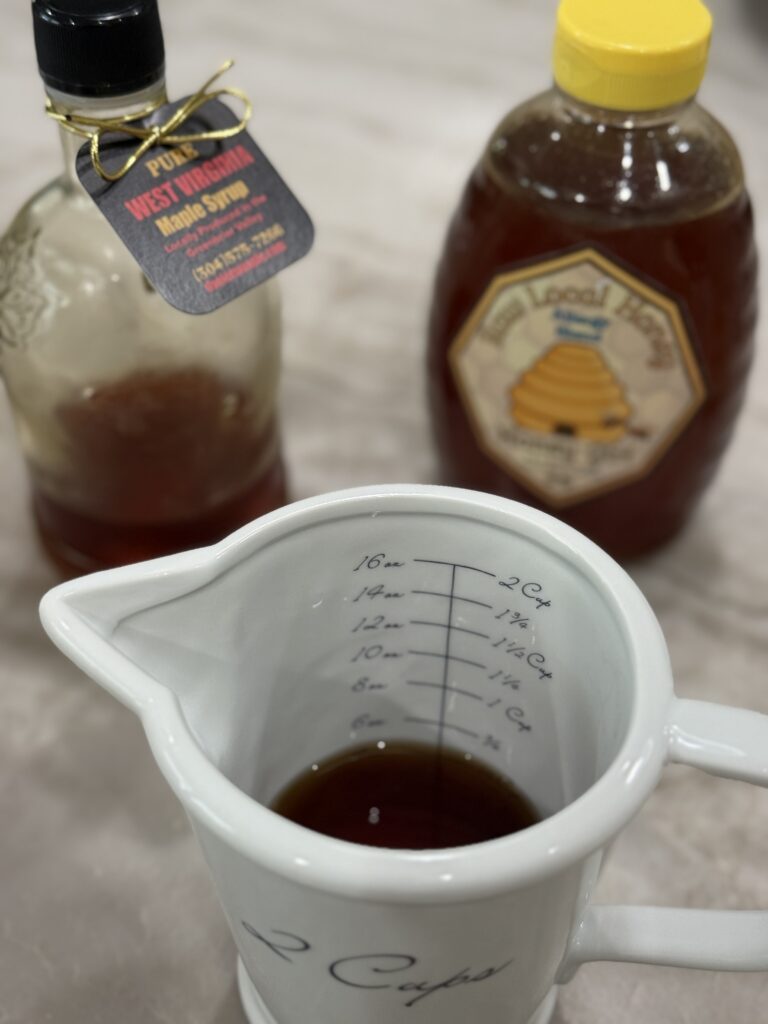
1/2 cup honey
1/2 cup maple syrup
1 cup water (divided, for gelatin and syrup)
3 tablespoons gelatin (grass-fed, unflavored)
1-2 teaspoon vanilla extract
1/4 tsp salt
Optional: arrowroot powder (for dusting)
Equipment
Medium saucepan
How to Make Handmade Marshmallows
Bloom the Gelatin:
In the bowl of a stand mixer (or a large mixing bowl if using a hand mixer), add 1/2 cup cold water. Sprinkle the gelatin over the water and let it sit for 5-10 minutes to bloom.
Make the Syrup:
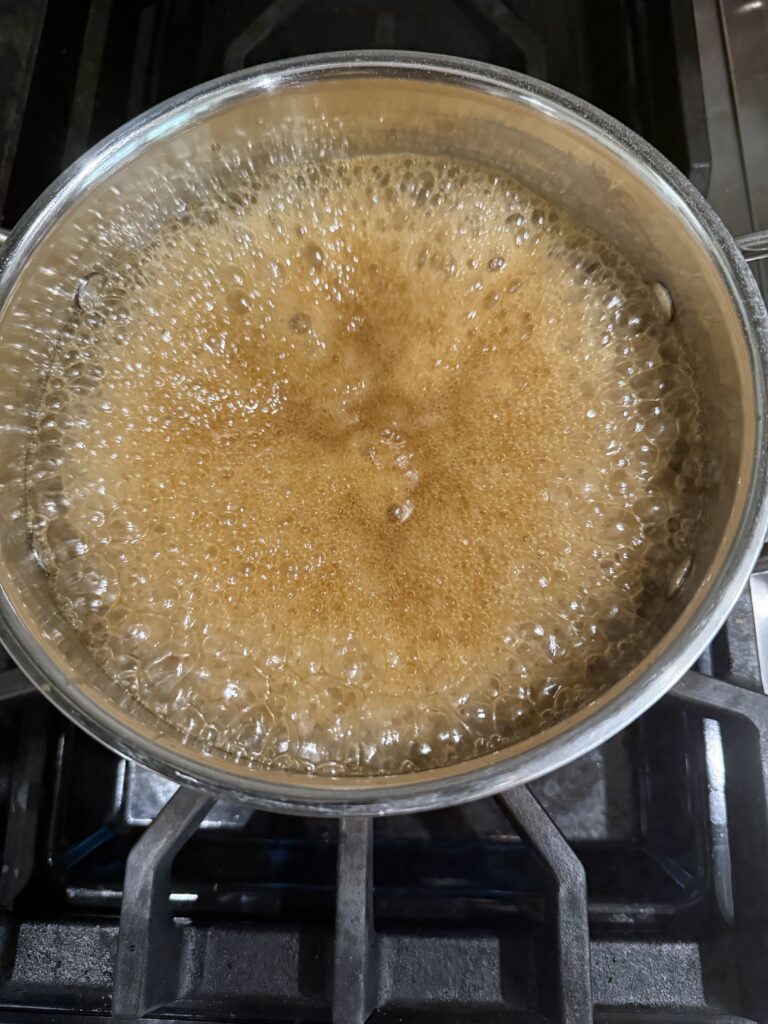
In a medium saucepan, combine 1/2 cup water, marshmallow root, honey, and maple syrup. Bring to a light boil, stirring until combined, then stop stirring and attach a candy thermometer. Cook until the mixture reaches 225-240°F, about 7-10 minutes. Remove from heat immediately.
Whip the Marshmallow Mixture:
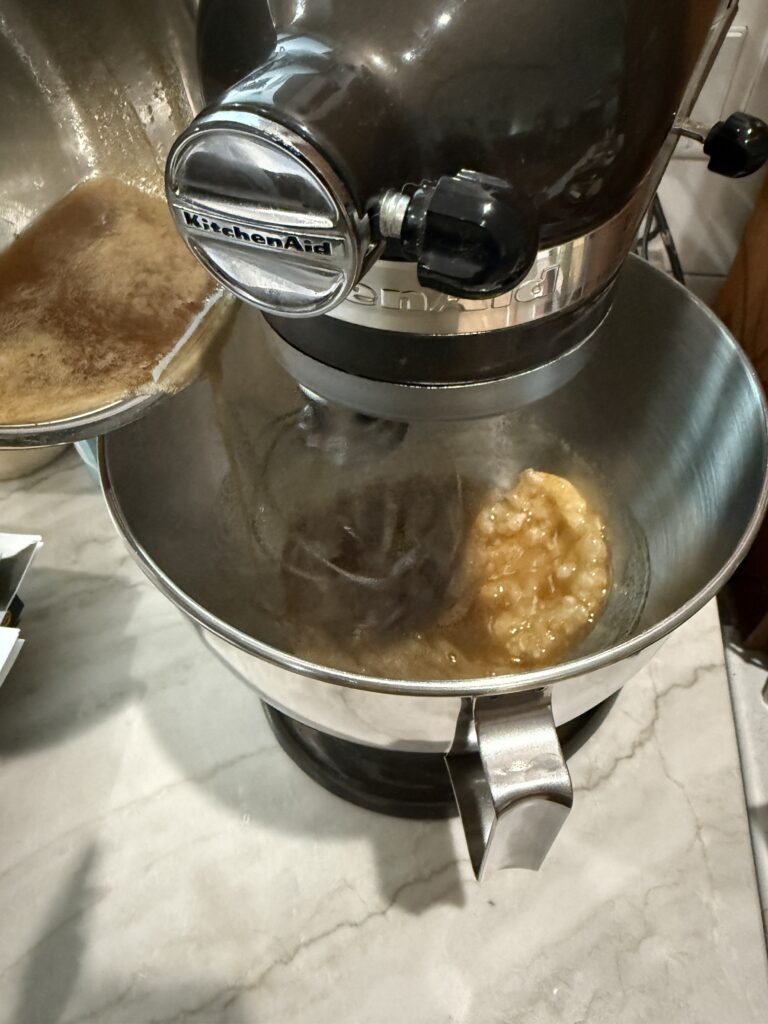
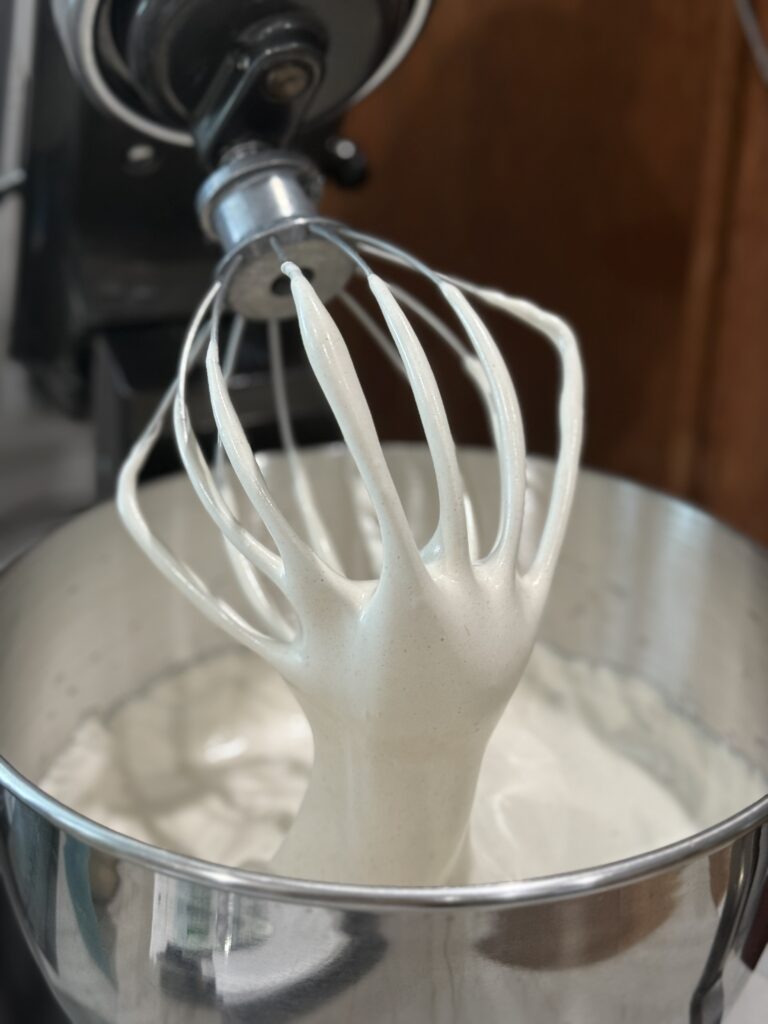
With the mixer on low, slowly pour the hot syrup into the bloomed gelatin, aiming for the side of the bowl to avoid splashing. Gradually increase the mixer speed to high and whip for 8-12 minutes, until the mixture is thick and holds soft peaks. Should resemble the look of the “Fluff” in the store.
Set the Marshmallows:
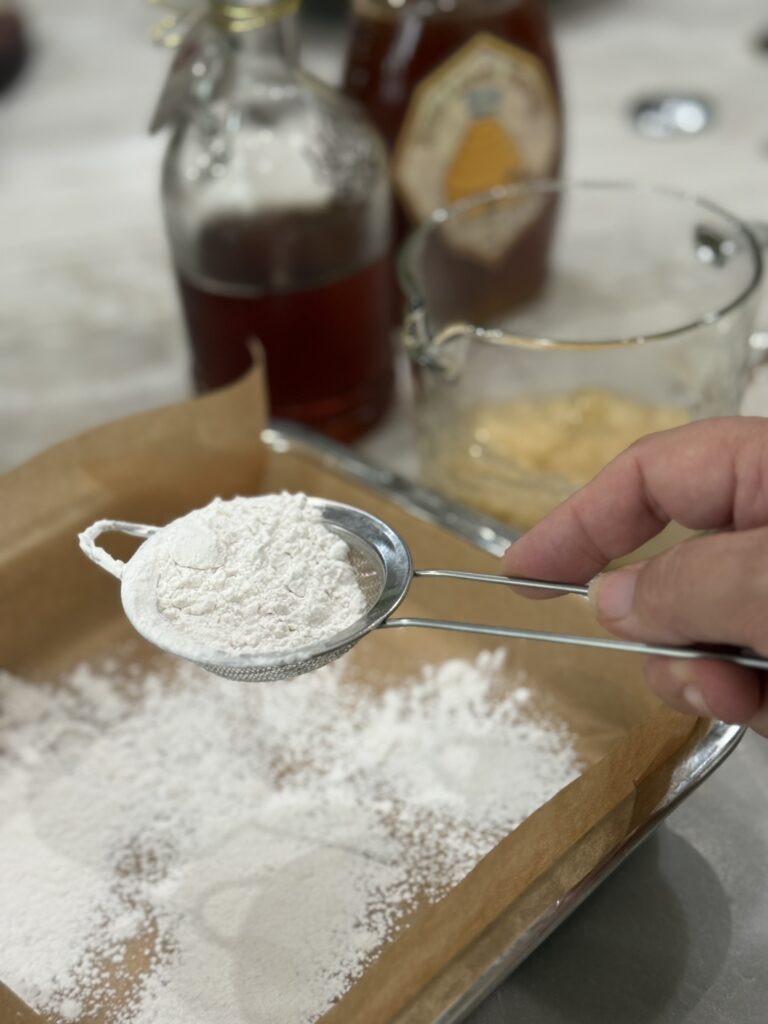
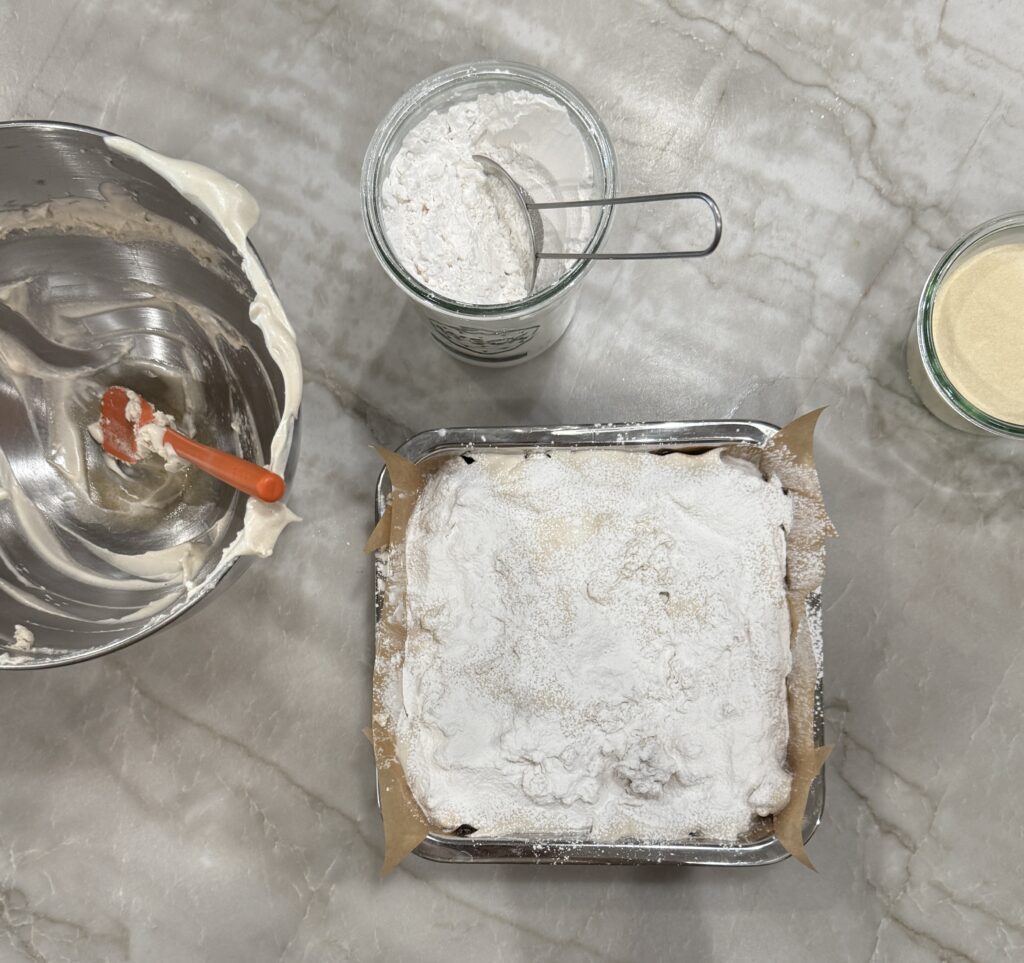
Line an 8×8-inch baking pan with parchment paper and dust with arrowroot powder. Pour the marshmallow mixture into the pan, smoothing the top with a spatula. Sprinkle another layer of arrowroot powder on top. Let sit covered at room temperature for 4-6 hours (or overnight) to set.
Cut and Store:
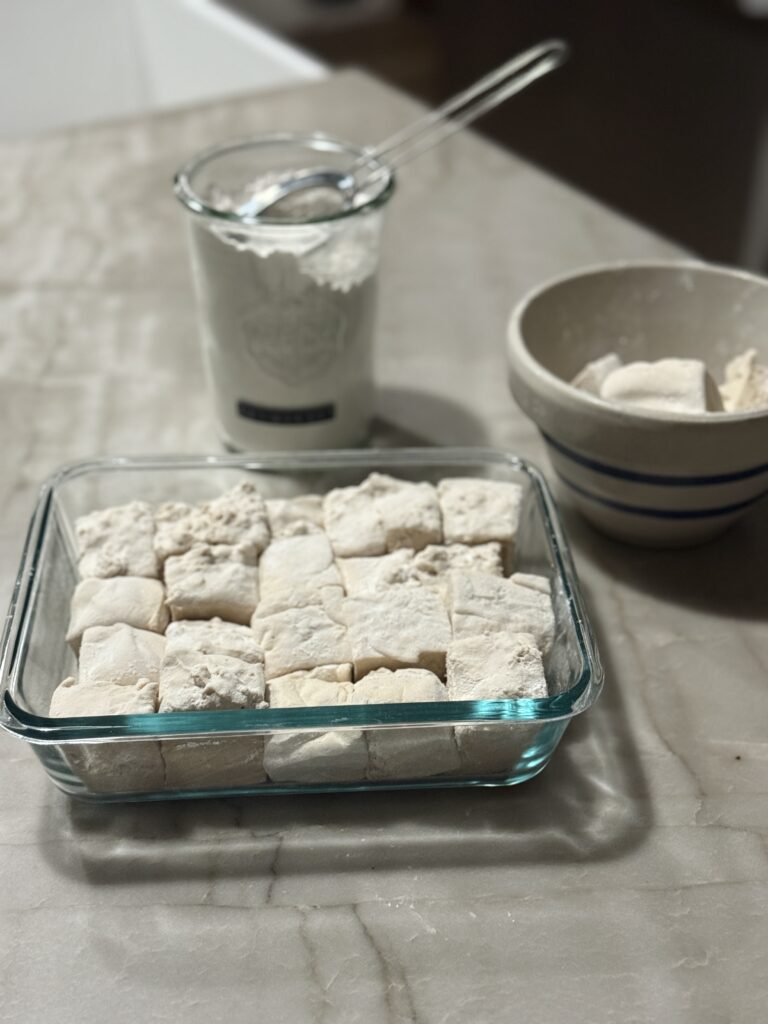
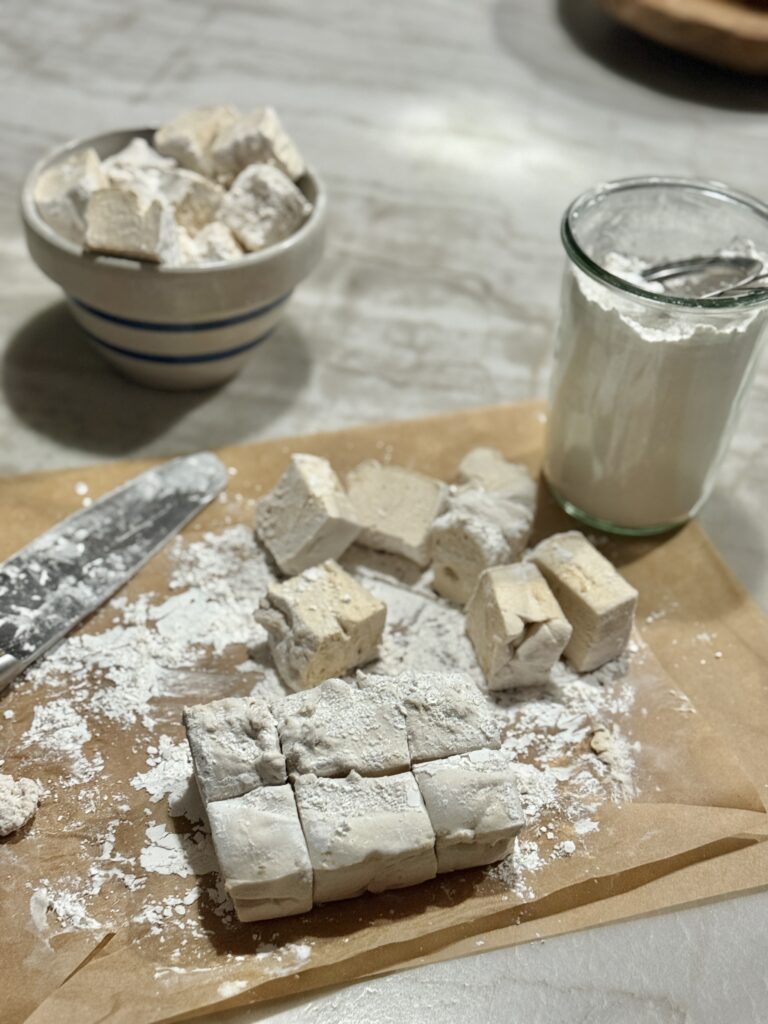
Once set, lift the marshmallow slab out using the parchment paper. Dust a knife or pizza cutter with powdered sugar/arrowroot powder and cut into squares. Toss each marshmallow in additional powder to prevent sticking. Store in an airtight container at room temperature for up to 2 weeks.
Notes
Marshmallow Root: Adds nutrition, a subtle earthy flavor and traditional texture but can be omitted if unavailable.
Sweetness: Honey and maple syrup create a distinct flavor compared to sugar-based marshmallows. Adjust ratios slightly if you prefer one sweetener over the other, keeping total sweetener at 1 cup.
Texture: Whipping time affects fluffiness—longer whipping (up to 12 minutes) yields lighter marshmallows.
WHAT IS BLOOM?
In the context of making marshmallows, “bloom” refers to the process of softening and hydrating gelatin in cold water before using it in the recipe. When you sprinkle gelatin powder over cold water and let it sit for 5-10 minutes, the gelatin absorbs the water, swells, and becomes soft and gel-like. This step ensures the gelatin dissolves evenly when mixed with the hot syrup later, creating a smooth, stable structure for the marshmallows’ fluffy texture.
Pin For Later
Health Benefits of Marshmallows Root
Marshmallow root (Althaea officinalis), used in the marshmallow recipe you mentioned, has been valued in traditional medicine for centuries due to its mucilaginous (gel-like) properties and bioactive compounds. Below are its primary health benefits, grounded in traditional use and available scientific evidence:
1. Soothes Mucous Membranes
Benefit: Marshmallow root contains mucilage, a thick, slippery substance that coats and soothes irritated mucous membranes in the throat, digestive tract, and respiratory system.
Uses:
Relieves sore throat and cough by forming a protective layer, often used in teas or lozenges. Eases symptoms of acid reflux, ulcers, or gastritis by coating the stomach lining.
2. Supports Digestive Health
Benefit: The mucilage and polysaccharides in marshmallow root may promote gut health by reducing inflammation and protecting the gut lining.
Uses:
May help with conditions like irritable bowel syndrome (IBS) or constipation by lubricating the digestive tract. Supports gut healing in cases of leaky gut syndrome (though evidence is mostly anecdotal).
3. Anti-Inflammatory Properties
Benefit: Marshmallow root contains flavonoids and phenolic acids with anti-inflammatory and antioxidant effects, which may reduce inflammation in various body systems.
Uses:
Applied topically or ingested to reduce inflammation in conditions like bronchitis or urinary tract infections.
4. Skin and Wound Healing
Benefit: The soothing and anti-inflammatory properties of marshmallow root make it effective for skin irritations and minor wounds.
Uses:
Used in creams, ointments, or poultices to treat eczema, psoriasis, or minor burns. May reduce redness and promote healing of irritated skin.
5. Supports Respiratory Health
Benefit: The mucilage helps coat the throat and lungs, reducing irritation and easing dry coughs or bronchitis symptoms.
Uses:
Taken as a tea or syrup to alleviate coughs or clear mucus in colds and respiratory infections.
6. May Aid Urinary Health
Benefit: Marshmallow root’s soothing properties may calm irritation in the urinary tract.
Uses:
Used traditionally for urinary tract infections (UTIs) or bladder inflammation, often combined with other herbs like uva ursi.
Tips on Using Marshmallow Root
Preparation Methods
Tea/Infusion: Steep 1-2 teaspoons of dried marshmallow root in hot water for 10-15 minutes (as in the marshmallow recipe infusion).
Capsules: Standardized doses (typically 500-1000 mg) for convenience.
Syrups or Lozenges: For throat relief.
Topical: Creams or poultices for skin issues.
Precautions
Absorption: Mucilage may slow the absorption of oral medications; take marshmallow root at least 1-2 hours before or after drugs.
Allergies: Rare, but avoid if allergic to plants in the Malvaceae family.
Pregnancy/Breastfeeding: Consult a doctor due to limited safety data.
Quality: Use high-quality, organic marshmallow root to avoid contaminants.
Why Use Gelatin?
Grass-fed bovine gelatin is a protein-rich product derived from the collagen found in the skin, bones, and connective tissues of cows that have been raised on a diet primarily consisting of grass and forage, rather than grain or feedlot diets. It’s processed into a fine powder that forms a gel when mixed with liquid, making it a key ingredient in recipes like the homemade marshmallows you mentioned. Here’s a concise breakdown:
Key Characteristics
Source: Collagen extracted from grass-fed cows, typically through boiling bones or hides to release collagen, which is then purified and dried into gelatin.
Grass-Fed: Cows are raised on pasture, eating grass or hay, which may result in a higher nutrient profile (e.g., more omega-3 fatty acids, vitamin E, and antioxidants) compared to grain-fed cows.
Unflavored: Pure gelatin has no flavor, making it versatile for recipes like marshmallows, gummies, or soups.
Nutritional Profile
Protein: High in amino acids like glycine, proline, and hydroxyproline, which support joint, skin, and gut health.
Other Nutrients: May contain trace minerals (e.g., calcium, magnesium) depending on processing, but primarily valued for its collagen-derived amino acids.
No Additives: High-quality grass-fed gelatin is free of artificial flavors, colors, or preservatives.
Benefits
1. Joint and Bone Health: Amino acids like glycine and proline support cartilage and connective tissue repair.
2. Skin, Hair, and Nails: Collagen peptides may improve skin elasticity and strengthen hair and nails.
3. Gut Health: May soothe the gut lining, similar to marshmallow root, potentially aiding digestion.
4. Clean Sourcing: Grass-fed cows are often raised without hormones or antibiotics, appealing to those seeking natural, sustainable products.
Join Our Simple Living Community


Why Grass-Fed Gelatin?
Nutrient Density: Grass-fed bovine gelatin may have higher levels of beneficial fatty acids and micronutrients compared to grain-fed alternatives.
Ethical and Environmental: Grass-fed systems are often more sustainable and humane, aligning with clean-eating or paleo diets.
Purity: Less likely to contain residues from grain-based feed additives or hormones.
Uses in Marshmallows
In your marshmallow recipe, grass-fed bovine gelatin acts as the gelling agent, giving the marshmallows their signature fluffy, chewy texture. It’s bloomed in cold water and whipped with the honey-maple syrup mixture to create structure. Using grass-fed gelatin ensures a cleaner, potentially more nutrient-rich ingredient compared to conventional gelatin.
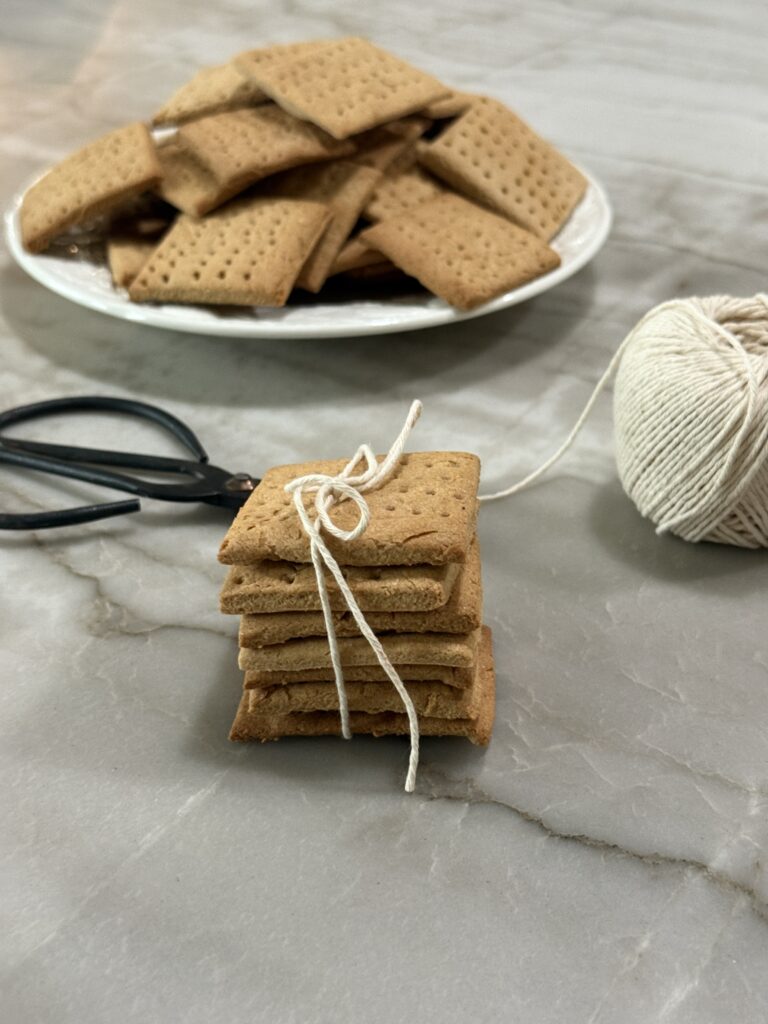
Try Making Your Own Graham Crackers
Ditch the junk crackers at the store. These are so easy to make!
Items Used in This Recipe
Raw Local Honey
Real Maple Syrup
Vanilla Extract (learn to make your own)
Resources
Fink C, Schmidt M, Kraft K. [Marshmallow Root Extract for the Treatment of Irritative Cough: Two Surveys on Users’ View on Effectiveness and Tolerability]. Complement Med Res. 2018;25(5):299-305. German. doi: 10.1159/000489560. Epub 2018 Aug 1. PMID: 30064132.
Mohammed H. Anti-inflammatory properties of raw honey and its clinical applications in daily practice. Qatar Med J. 2022 Apr 6;2022(2):27. doi: 10.5339/qmj.2022.fqac.27. PMID: 35909403; PMCID: PMC9284666.
Mohammed F, Sibley P, Abdulwali N, Guillaume D. Nutritional, pharmacological, and sensory properties of maple syrup: A comprehensive review. Heliyon. 2023 Aug 21;9(9):e19216. doi: 10.1016/j.heliyon.2023.e19216. PMID: 37662821; PMCID: PMC10469071.
https://www.medicinenet.com/what_is_marshmallow_root_good_for/article.htm
https://www.healthline.com/nutrition/gelatin-benefits
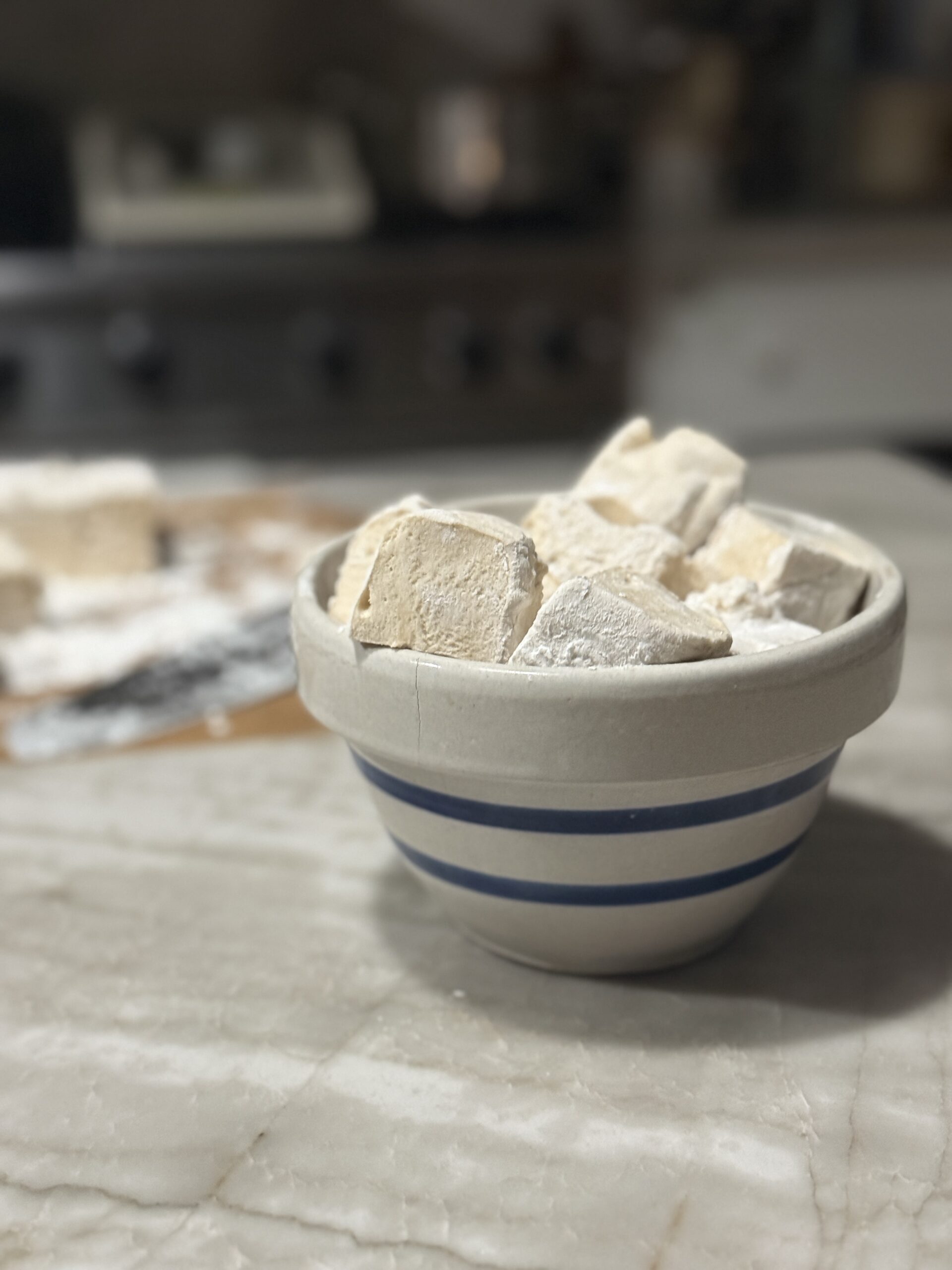
Handmade Marshmallows – Soft & Fluffy
Ingredients
Method
- In the bowl of a stand mixer (or a large mixing bowl if using a hand mixer), add 1/2 cup cold water. Sprinkle the gelatin over the water and let it sit for 5-10 minutes to bloom.
- In a medium saucepan, combine 1/2 cup water, marshmallow root, honey, and maple syrup. Bring to a light boil, stirring until combined, then stop stirring and attach a candy thermometer. Cook until the mixture reaches 225-240° F, about 7-10 minutes. Remove from heat immediately.
- With the mixer on low, slowly pour the hot syrup into the bloomed gelatin, aiming for the side of the bowl to avoid splashing. Gradually increase the mixer speed to high and whip for 8-12 minutes, until the mixture is thick and holds soft peaks. Should resemble the look of the "Fluff" in the store.
- Line an 8×8-inch baking pan with parchment paper and dust with arrowroot powder. Pour the marshmallow mixture into the pan, smoothing the top with a spatula. Sprinkle another layer of arrowroot powder on top. Let sit covered at room temperature for 4-6 hours (or overnight) to set.
- Once set, lift the marshmallow slab out using the parchment paper. Dust a knife or pizza cutter with arrowroot powder and cut into squares. Toss each marshmallow in additional powder to prevent sticking. Shake any excess off, if needed. Store in an airtight container at room temperature for up to 2 weeks.
Notes
- If you are wanting to roast your marshmallows, allow them to dry out some over the next few days to firm them up a bit.
- Depending on your sweetness liking, powdered sugar can be used instead the arrowroot powder. It just doesn’t have the health benefits that the arrowroot does.
- These handmade marshmallows can be frozen for later use. Just store them in an air tight container with a lid for 2-4 weeks.
I hope you enjoy these handmade marshmallows in hot cocoa, s’mores, or as a sweet snack! Tag me over on Instagram as I’d love to see how yours turn out!

Wendy Lea Walker, NTP
Nutritional Therapy Practitioner

Leave a Reply