

In my quest to live a more simple life, I’m also constantly searching for products, food and kitchen items that are free from harmful chemicals. After many comparisons, I found a few brands of non-toxic cookware that I’m comfortable sharing and endorsing.
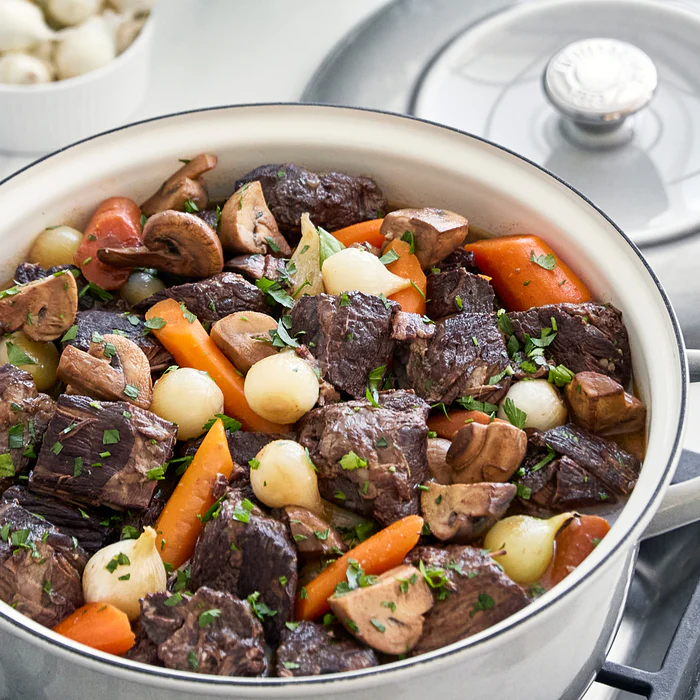
Why Use Non-Toxic Cookware
Using non-toxic cookware is recommended to minimize health risks associated with harmful chemicals that can leach into food, especially when cooking at high temperatures or with acidic ingredients. Here’s why it matters:
1. Avoidance of Forever Chemicals (PFAS): Nonstick cookware often contains PFAS, like those used in Teflon, which can release toxic fumes or contaminate food when overheated or scratched. These “forever chemicals” persist in the body and environment, potentially causing health issues such as cancer, liver damage, and immune system disruption.
2. Reduced Chemical Exposure: Toxic cookware materials, like certain aluminum or low-quality nonstick coatings, may leach metals or chemicals into food, especially during prolonged cooking or with wear and tear. Non-toxic options like stainless steel, cast iron, or ceramic reduce this risk, ensuring safer meals.
3. Long-Term Health Benefits: Chronic exposure to chemicals from cookware, even in small amounts, can accumulate in the body, contributing to conditions like hormonal imbalances or developmental issues. Non-toxic cookware minimizes these long-term risks, particularly for vulnerable groups like children or pregnant individuals.
4. Environmental Impact: Toxic cookware production and disposal can release harmful substances into the environment, contributing to pollution. Non-toxic materials like cast iron or glass are often more durable and eco-friendly, reducing waste and environmental harm.
5. Better Food Quality: Non-toxic cookware, such as cast iron or stainless steel, can enhance cooking performance without imparting unwanted flavors or chemicals, preserving the taste and nutritional value of food.
Opting for non-toxic cookware like ceramic, stainless steel, cast iron, or glass supports safer cooking practices, protects health, and reduces environmental impact. Always check for certifications or research brands to ensure the cookware is free of PFAS, lead, cadmium, or other harmful substances.
What Are Forever Chemicals
Forever chemicals, known as per- and polyfluoroalkyl substances (PFAS), are a group of over 12,000 synthetic compounds widely used since the 1940s in products like nonstick cookware, water-repellent clothing, firefighting foams, and food packaging due to their resistance to heat, water, and oil. Their strong carbon-fluorine bonds make them extremely stable, causing them to persist in the environment and human body for decades without breaking down.
They’re found in soil, water, air, and living organisms, accumulating over time and posing health risks like cancer, immune system issues, and developmental problems, even at low exposure levels. About 98% of people in the U.S. have detectable PFAS in their blood. Their widespread use and persistence have led to global contamination, with ongoing efforts to regulate and mitigate their impact.
Are There Non-Toxic Cookware Alternatives
Cast Iron
As mentioned above, cast iron is a great option for non-toxic cookware. I do have quite a few pieces that I’ve collected over the years. Taking care of them properly, they will last for a lifetime. They can be a little heavy to lift at times but still a staple in my kitchen. I don’t cook anything acidic in my cast iron. Acidic foods, like tomatoes, can degrade the seasoning over time, stripping it away and exposing the raw iron, which may lead to rusting or sticking.
Ceramic
100% pure Xtrema ceramic. no lead, no cadmium, no heavy metals and no chemicals of any kind.Triple-fired and ultra-purified at 2500 degrees, stain proof, scratch proof, and scratch resistant. If taken care of, 100% ceramic products will last a lifetime unlike “ceramic-coated” cookware.
Stainless Steel
I also have a stainless steel set of pots and pans that I use regularly as well. They range from stock pots, sauce and frying pans. I’ve had them for 30 years so they are a great set that will last as well. They are good for sauces and soups. Stainless steel pans are tricky with cooking things like eggs though. If you don’t have just the right amount of oil/butter (and cooking at too high of heat), your eggs will stick. That is a downside to using stainless steel.
Thermolon™
I did have a few dutch ovens that I have picked up at Home Goods over the years. After researching about the materials that some of these are made out of, I decided to get rid of them. I love a good dutch oven or even a slow-cooker if I’m making soups or chili.
Here comes in a new company that I am head over heels with. Everything is affordable. They are always running sales. Bonus: if you use Rakuten, you will earn cash back with them. You may have heard of them but I’m excited to show and tell you all about GreenPan. I’ll go into all the reasons why I love this brand so much below.
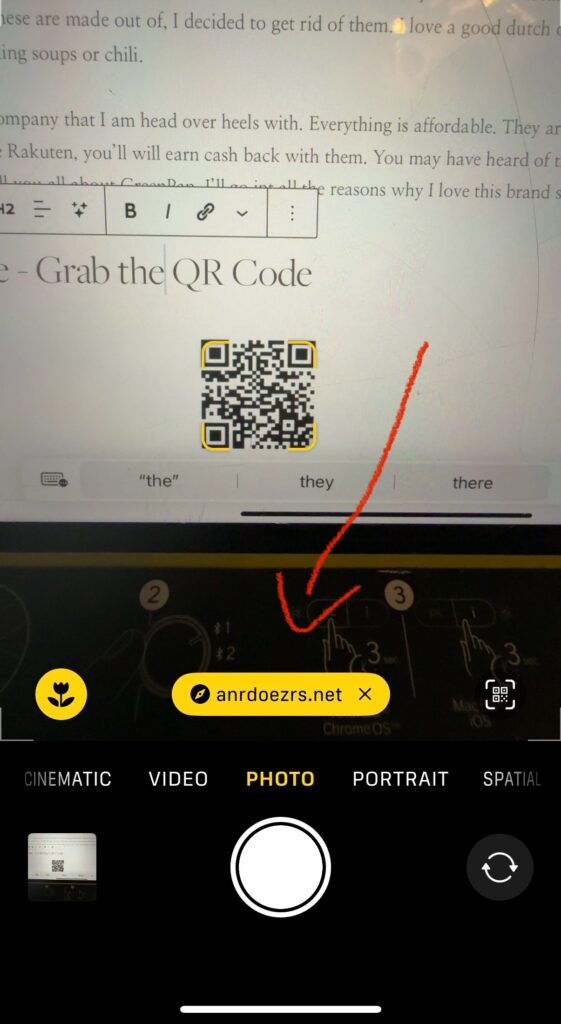
Learn More – Grab the QR Code

Instructions:
Hold your camera on your phone up to the code below. Then, tap on the yellow link box. That’s all you do. 😍
Xtrema Ceramic Cookware
This new cookware I have found recently is not ceramic coated. It is 100% ceramic. Inspired by the trusted ancient art of ceramic, their process is simple-they fuse fine porcelain with raw clay and fire at over two thousand degrees to sculpt the purest of cooking surfaces.
No harmful residues or leaching
Conventional non-stick coatings can reveal harmful metals into the natural flavors of your food, altering the dish and how it nourishes your body.
Smooth, even cooking
Natural thermal properties allow our ceramic to retain heat without need for high cooking temperatures.
100% Pure ceramic
No metal core. No nonstick coating. Only pure ceramic for truly-non-toxic, reliable cookware.
Why You’ll Love Them
Being truly non-toxic products is one of the best selling points for me. However, here are some other amazing bonuses on why I’m loving Xtrema.
- 100% ceramic, not ceramic coated aluminum, so the coating won’t break down
- Made of 100% natural minerals, clay and water
- It is fired in a Natural Gas Fired Kiln at 2,500 degrees
- 40% lighter than cast iron
- Dishwasher safe, Stove top, Oven, Grill, Microwave safe – High Heat Safe
- Completely non-toxic – leach free, free from PFOA and PTFE
- Retains heat
- 10 year warranty
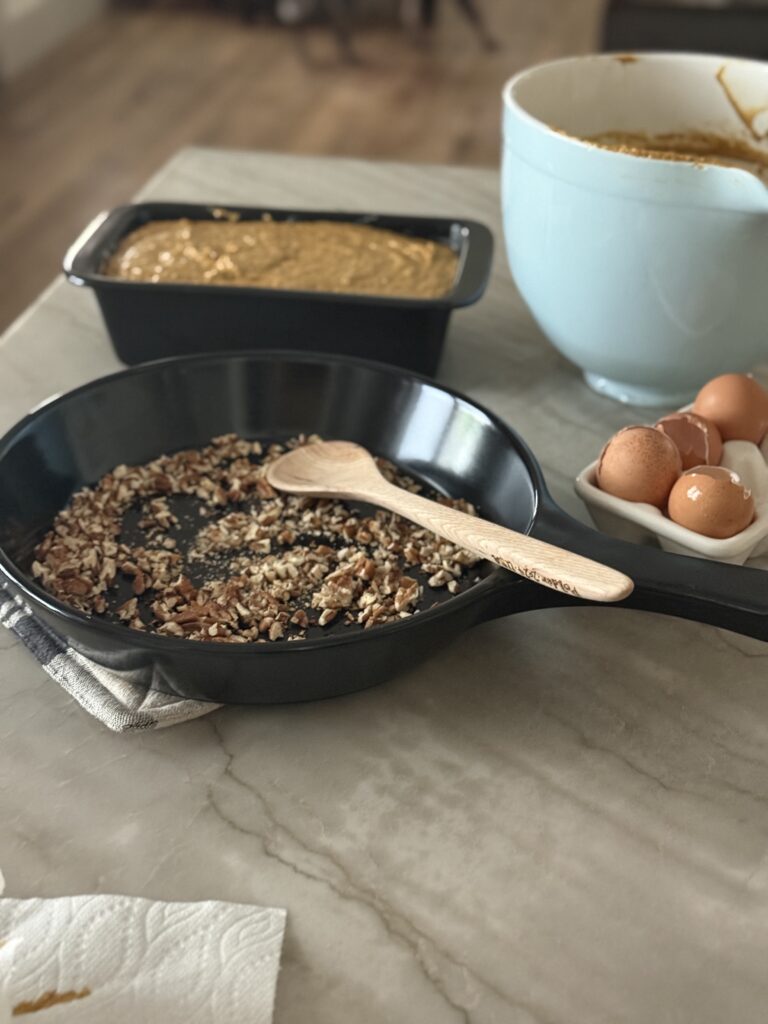
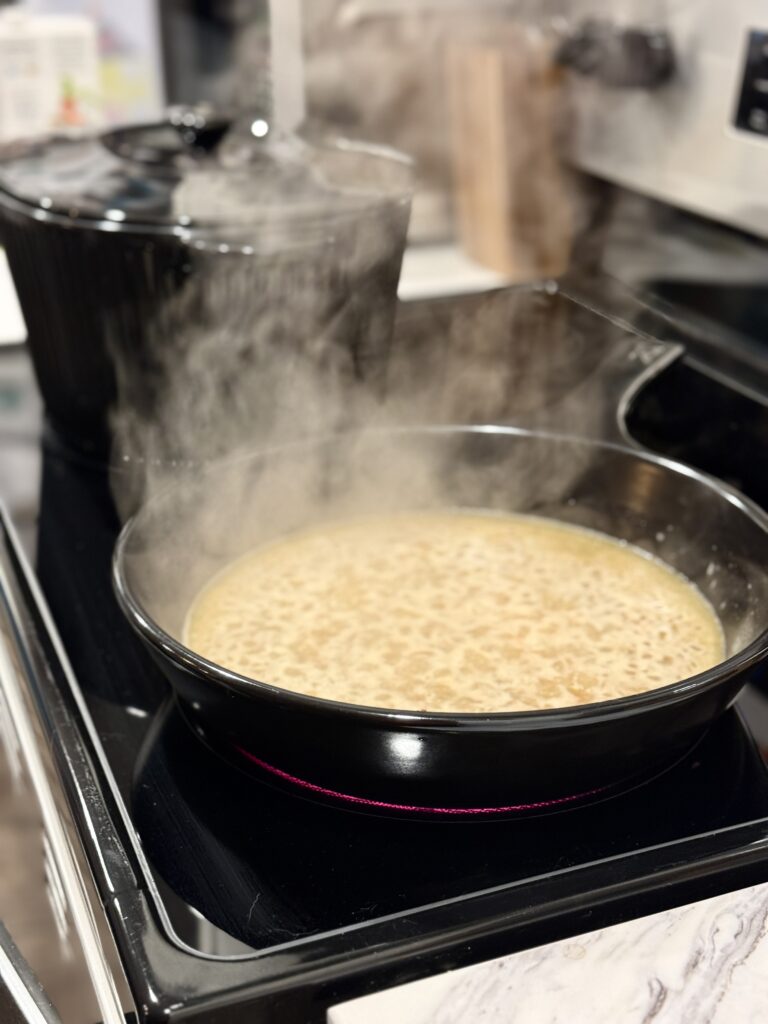
100% Ceramic Cookware by Xtrema
When I found out about this cookware, I was amazed at how it’s made. Literally firing clay, piece by piece. What’s even more special about this company is that it’s still family owned and operated today. They enjoy gathering around their own table and are true to their word on having non-toxic cookware.
Third Party Testing
Have you ever heard of cookware being third party tested? Well, Xtrema does. Leach testing is performed on all of their products. Xtrema is so transparent. Since the company actually uses the cookware for their own families, they want to make sure their customers enjoy the use of non-toxic cookware as well. You can read all about their testing here.
My Favorite Products
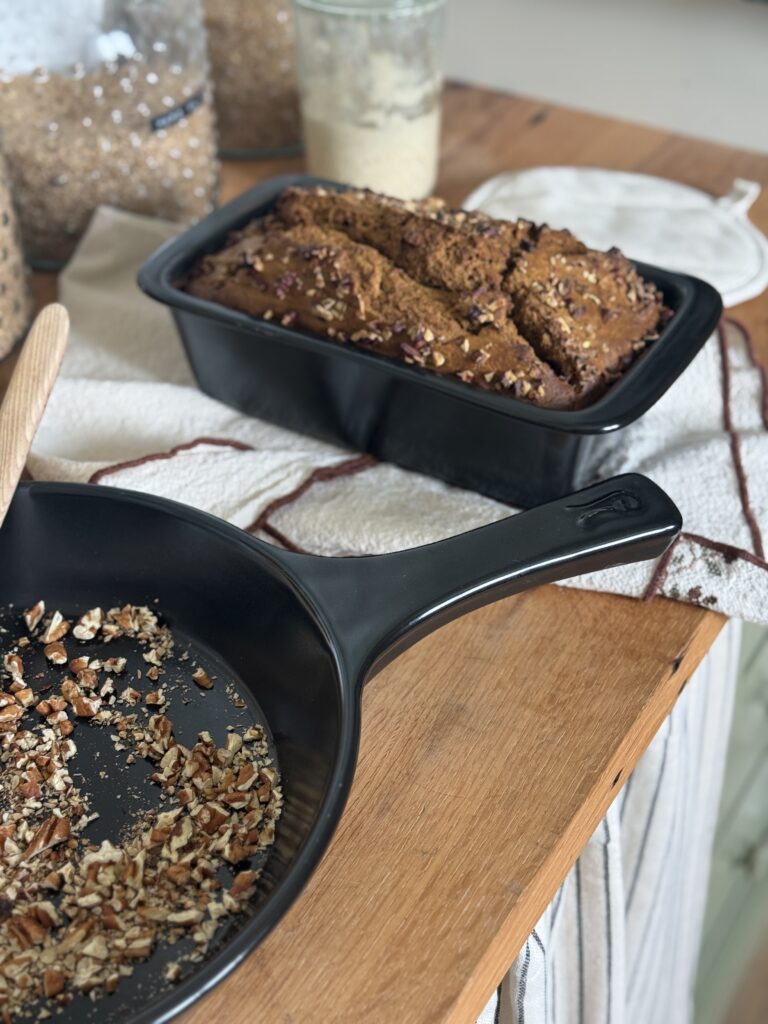
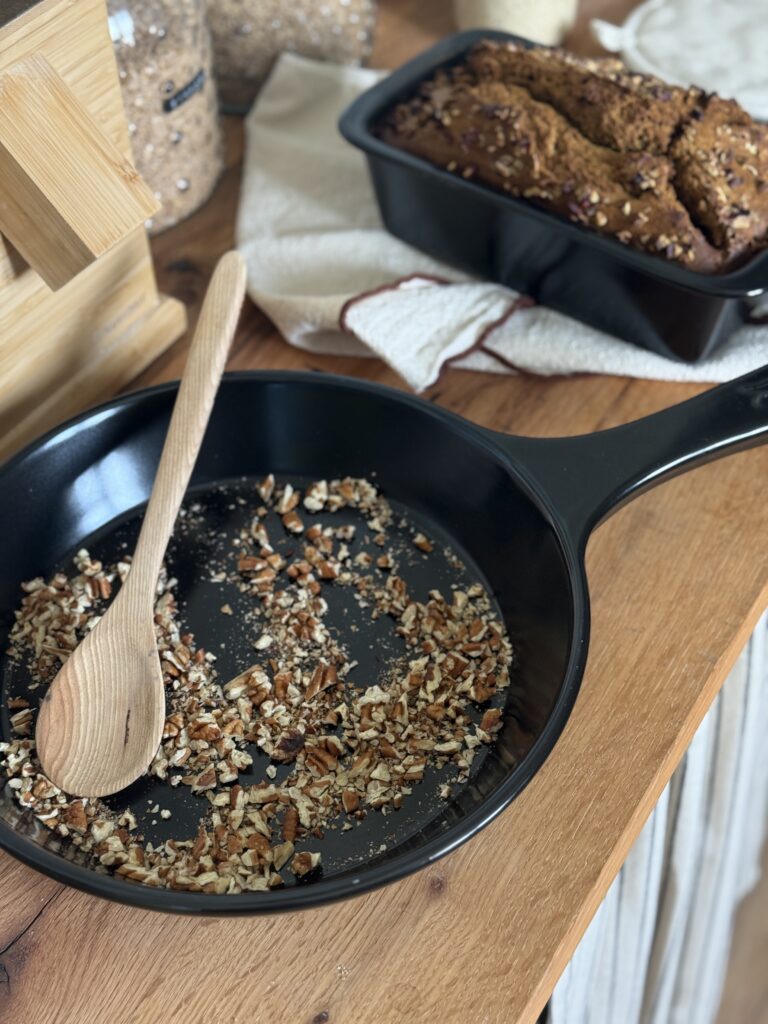
Skillets – Everyone needs a good skillet. I have the 11 inch one and I love it. Whether you are making a pan of old-fashioned cornbread or cooking up some chicken. These skillets are lightweight and so easy to handle.
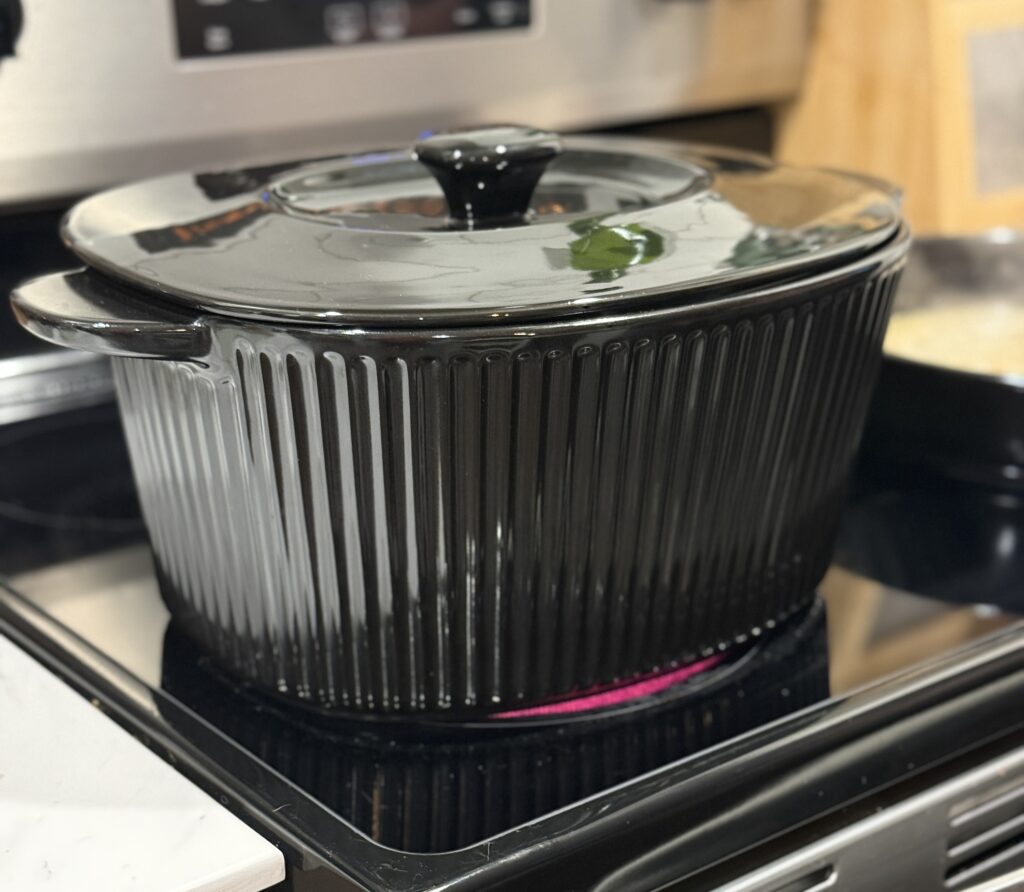
Dutch Oven – Stunning in appearance and durable in functionality. This 7.5 qt oval dutch oven is perfect for soup season, a loaf of Tuscan Sourdough bread or a Sunday roasted chicken.
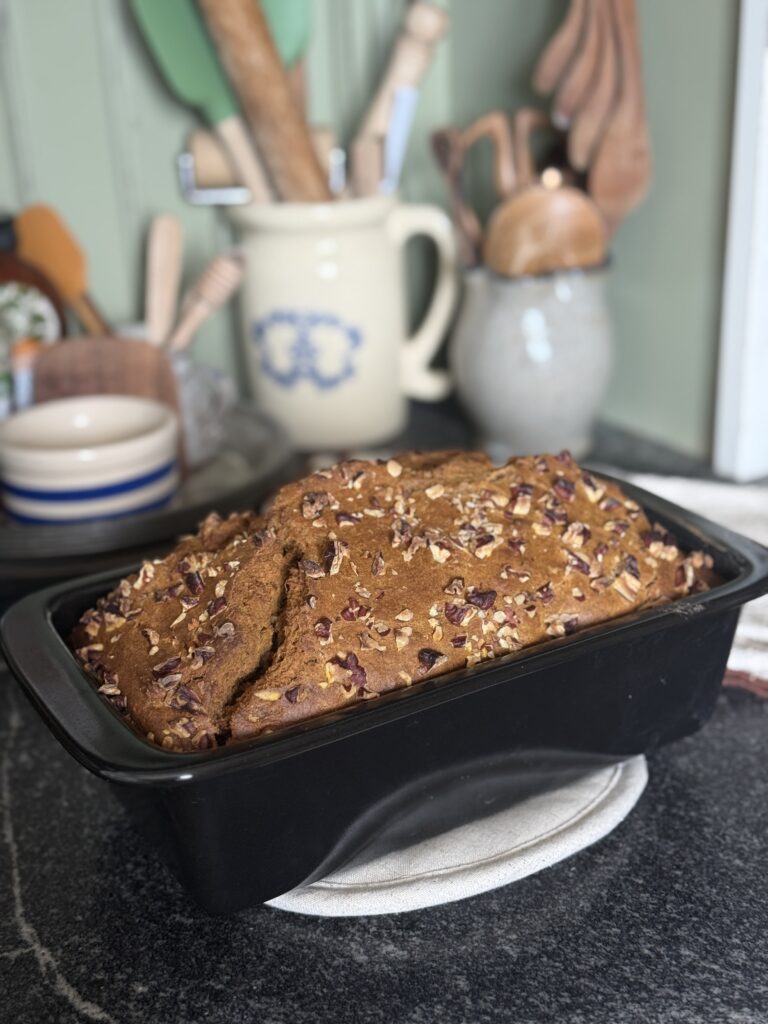
Loaf Pan – As much baking as I do, this loaf pan gets used quite a bit. I’ve been enjoying making a whole wheat loaf and my aunt Linda’s pumpkin bread.
GreenPan
There are two reasons why I bought the GreenPan products.1. They are so lightweight. Seriously, the dutch oven alone is 30% lighter than my cast iron ones. 2. The amount of products that they offer and that they truly are a non-toxic company. Ok, that was three reasons but you’ll just have to try them for yourself to see why I love them.
History
Two childhood friends created the company back in 2007. They introduced the world to Thermolon™, the original healthy ceramic nonstick. Instead of plastic, their coating starts with sand. Thermolon™ is the first alternative to traditional nonstick coatings, the first plastic-free nonstick, and the first nonstick coating made without PFAS, PFOA, lead, or cadmium. In less than 15 years, they’ve become the leader in healthy nonstick cooking.
Here’s What You Won’t Find In GreenPan
I grabbed this from their website:
For GreenPan™ we don’t just use any ceramic nonstick coating on our cookware. We use our own ceramic nonstick, Thermolon™, manufactured by our affiliate company and applied in our wholly owned cookware factories. Because of this, we have end-to-end quality control over the entire process – which is virtually unique for our industry.
Our Thermolon™ coating and GreenPan™ cookware undergo independent testing by highly professional, accredited third-party labs to ensure compliance with our product claims, quality standards, and numerous safety regulations.
We confirm that GreenPan’s™ Thermolon™ coated food contact surface is Free Of:
• PFAS, including PTFE, PFOA, and their replacements
• Silanes, such as tetraethoxysilane and methyltrimethoxysilane
• Aluminum Oxide
• Potassium Titanate
• Titanium Dioxide Nanoparticles
• BPA
• Lead
• Cadmium
• Mercury
• Antimony
• And 247 Substances of Very High Concern (SVHC) that are listed under the European REACH (Registration, Evaluation, Authorization and Restriction of Chemicals) Program including the siloxanes of concern, namely D4, D5, D6 and Octamethyltrisiloxane.
What I Recently Purchased
So, I found some new kitchen products and determined I really could use these on a regular basis. I don’t want to have extra gadgets just sitting around. I really have to know that I’ll use something before making a purchase.
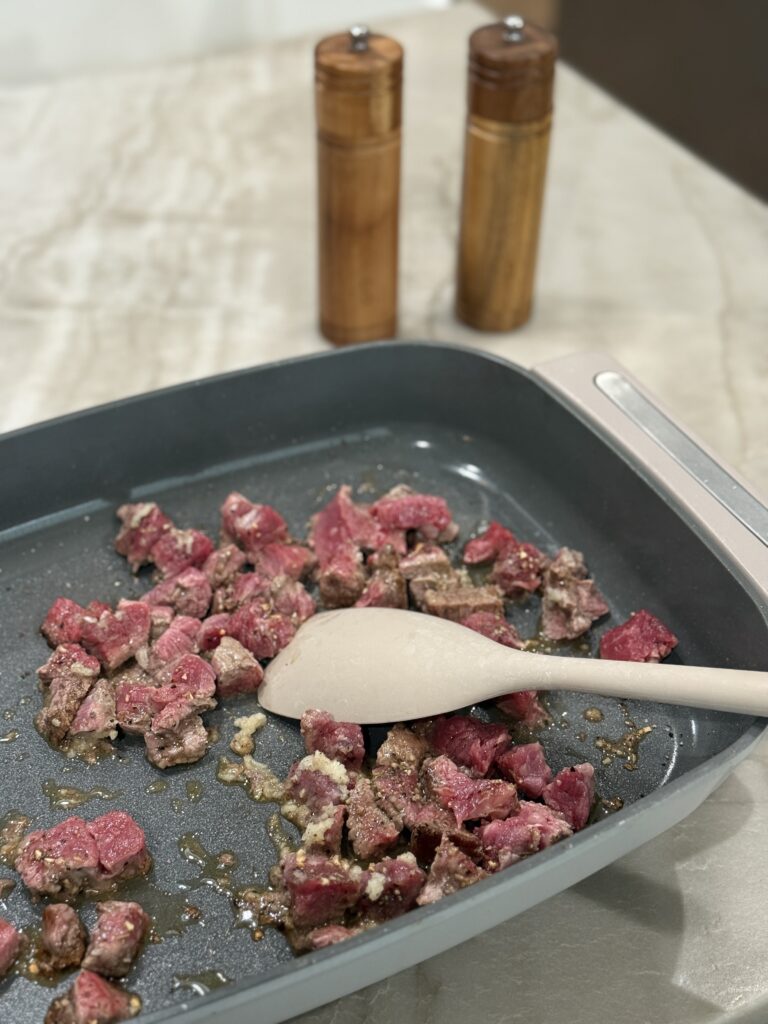
Electric Skillet
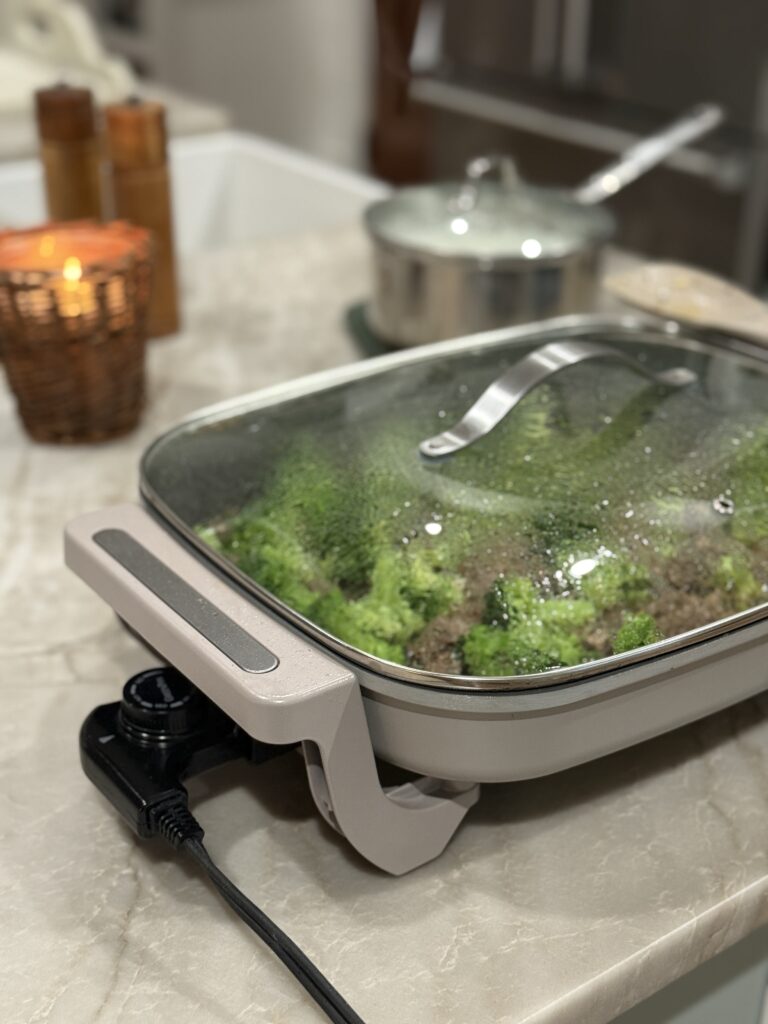
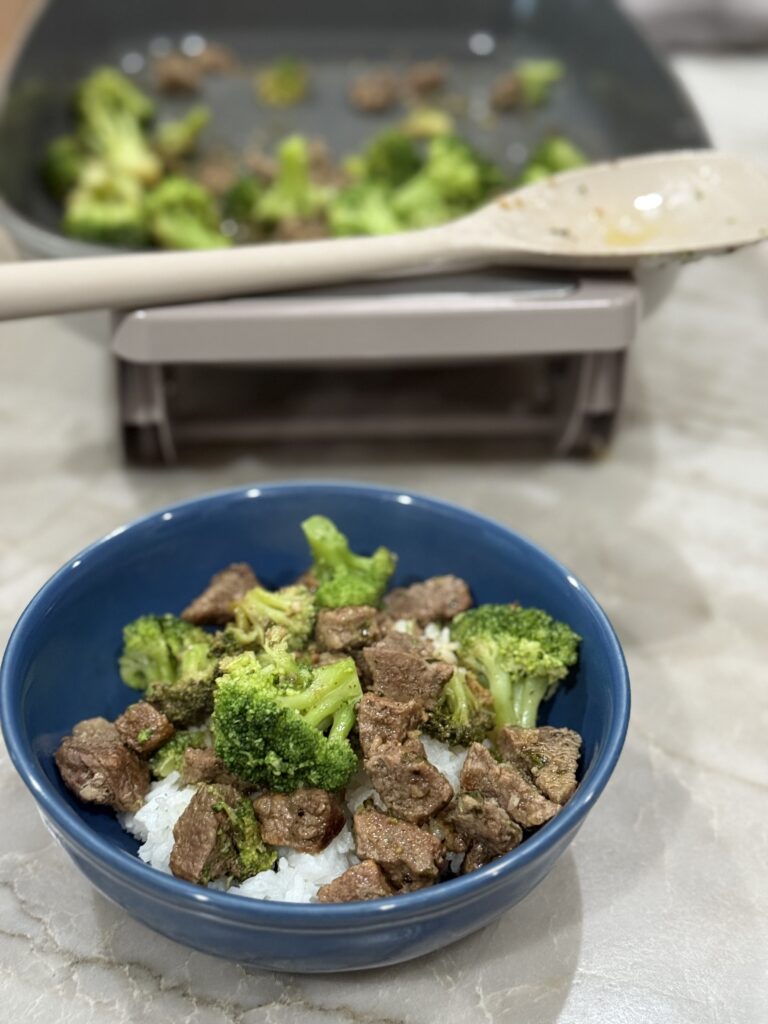
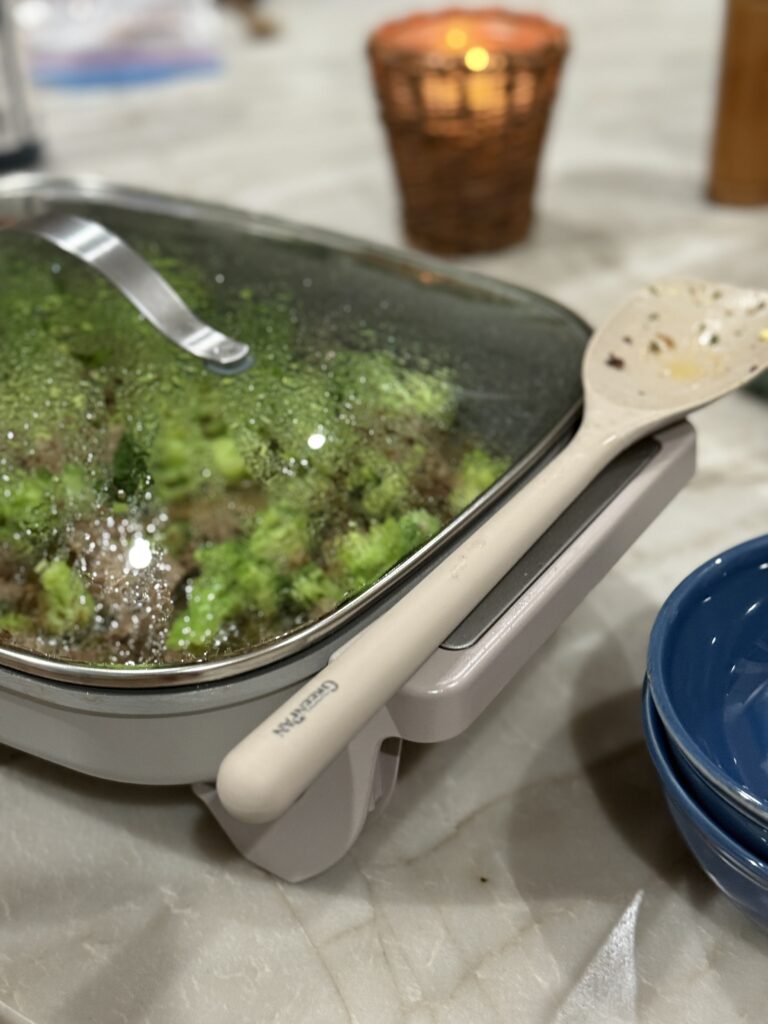
I used to have one of these when I first got married. I do know that one was made from teflon. It was probably something cheap I found at Walmart haha. I love my new one. It comes in a few different colors but the taupe goes best in my kitchen. This thing is so easy to clean. The handles have a spot on them where you can place a spoon (or your hand) and it doesn’t get hot.
Pin For Later
See my full disclosure here.
Slow-Cooker
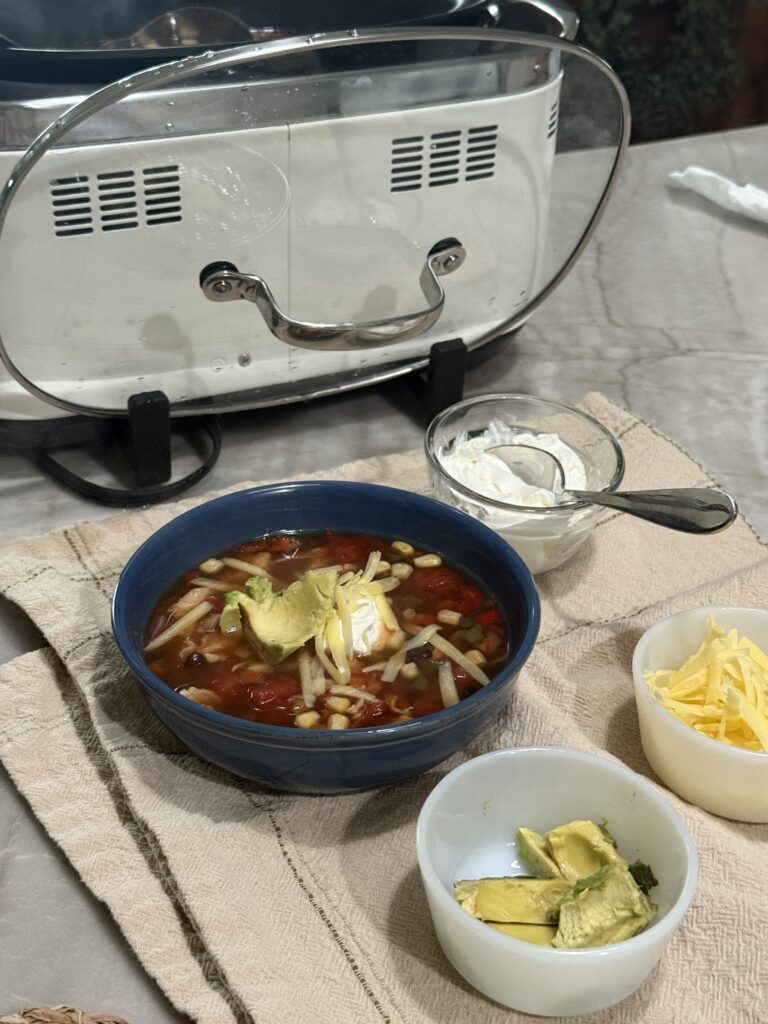
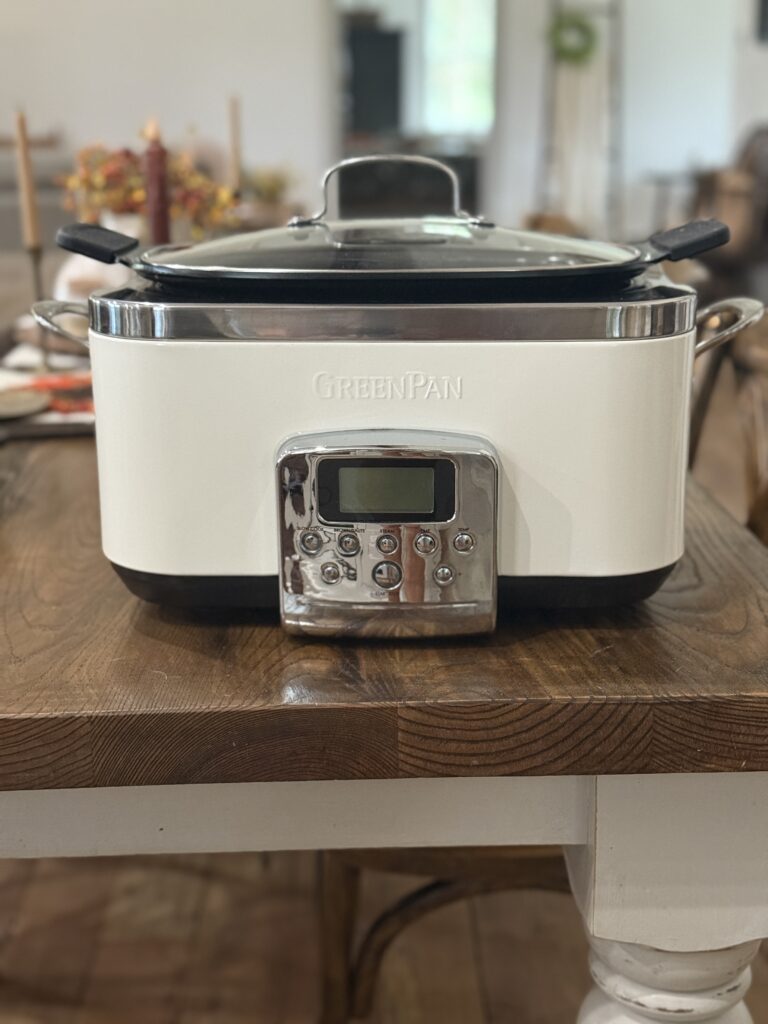
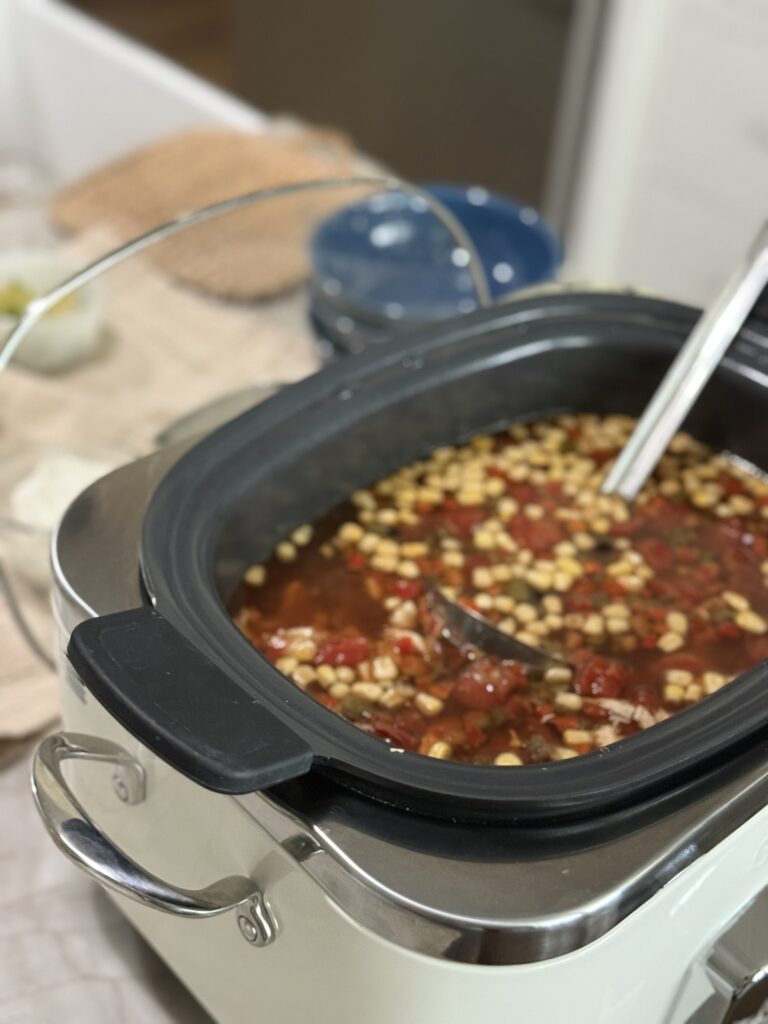
A slow-cooker is a must in everyone’s home. Some people refer to them as crockpots but they are one in the same. I believe the slow-cookers might have a few extra options on them. This one is so light and easy to carry (even with a pot of soup in it). You can even place the lid on the back of it for ease of use.
Slow-cookers are great for those “set it and forget it” meals. Those long days at work. Those sporting events that your kids are involved in. That’s why I love a slow-cooker. I bought the 6-quart but it also comes in a 8-quart.
Features:
- Brown/Saute
- Slow Cook (High and Low)
- Warming
- Reheat
- Steam
- Simmer/Buffet
Skillets
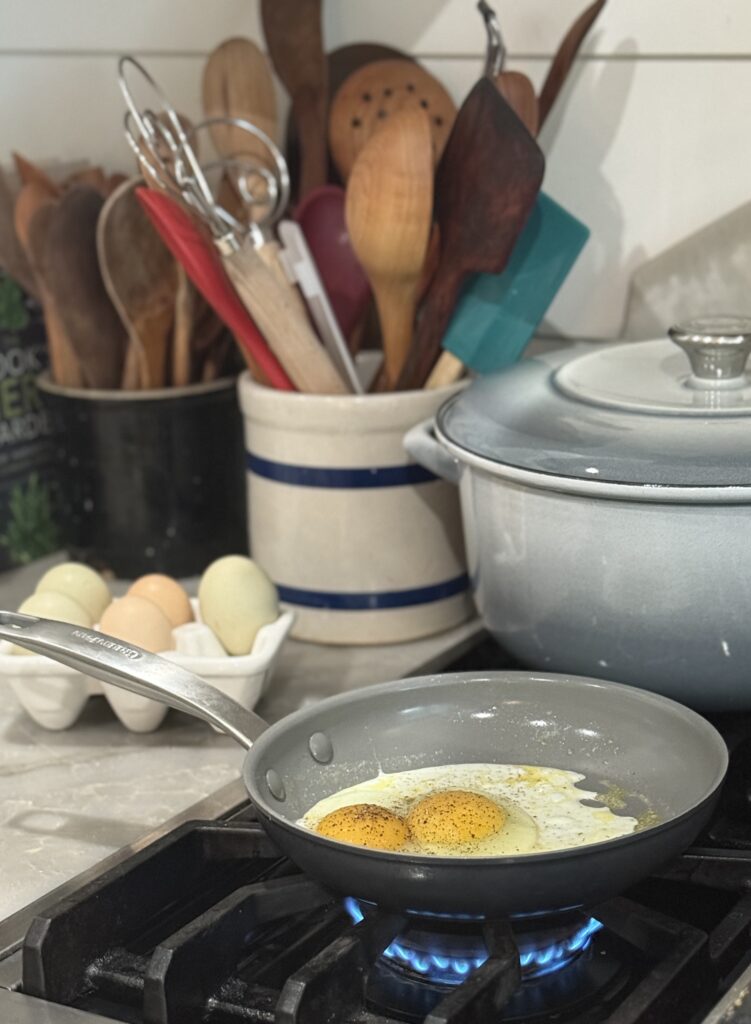
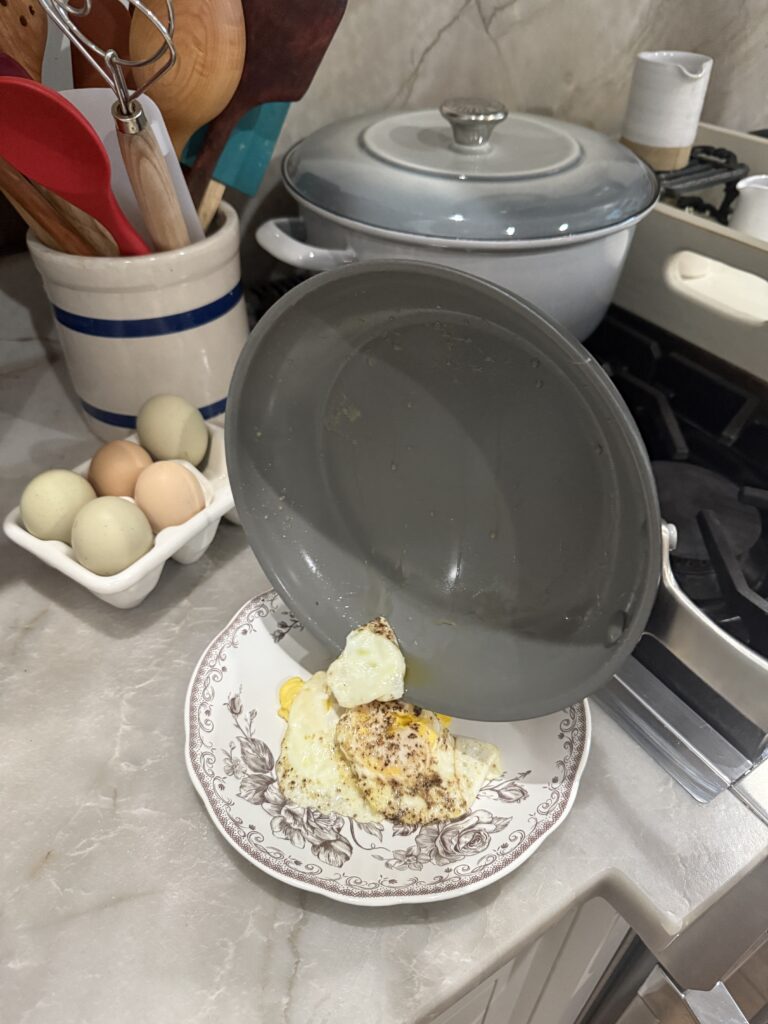
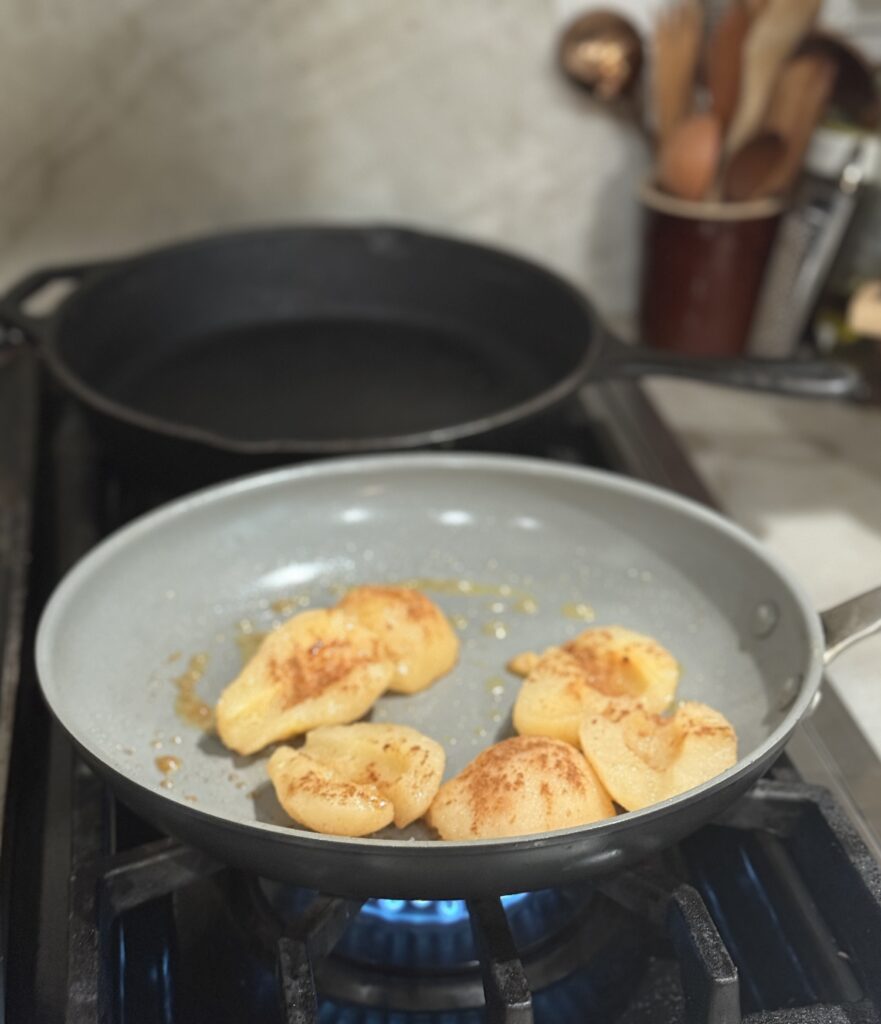
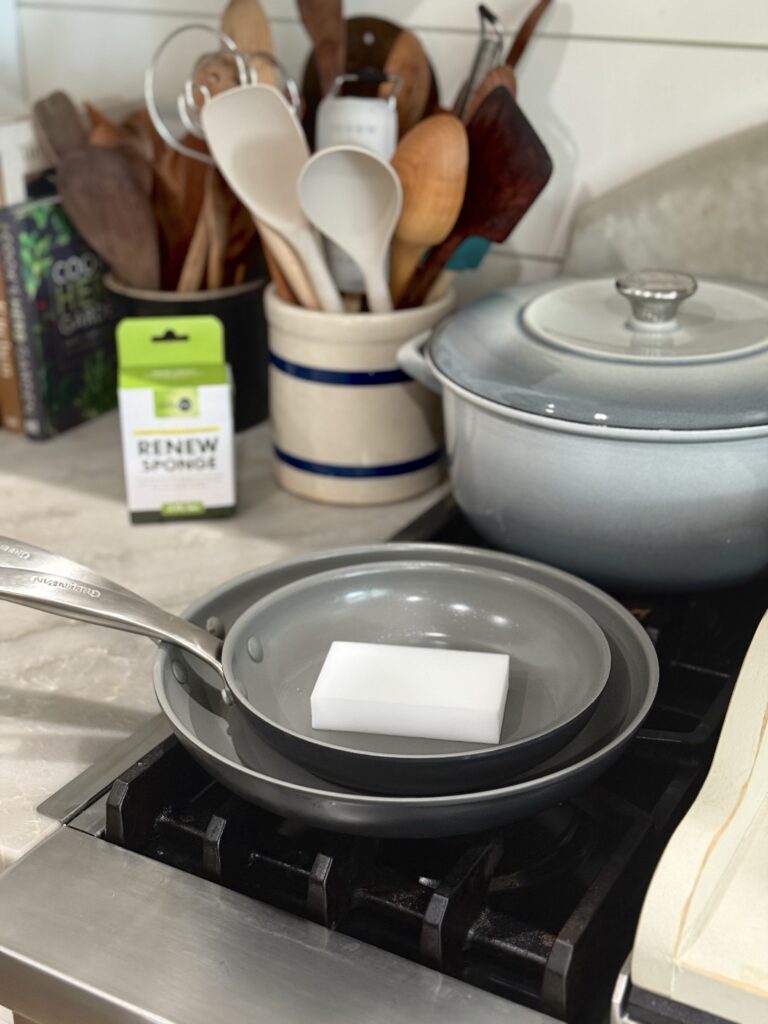
I think we all have that one skillet that is non-stick and we use it for eggs, right? Well, I ended up buying two of them, 8” and 10” inch. These are the best little skillets whether I’m cooking an omelette, sautéing vegetables or making a sauce. So easy to clean and your food slides right out of the skillet.
Dutch Oven
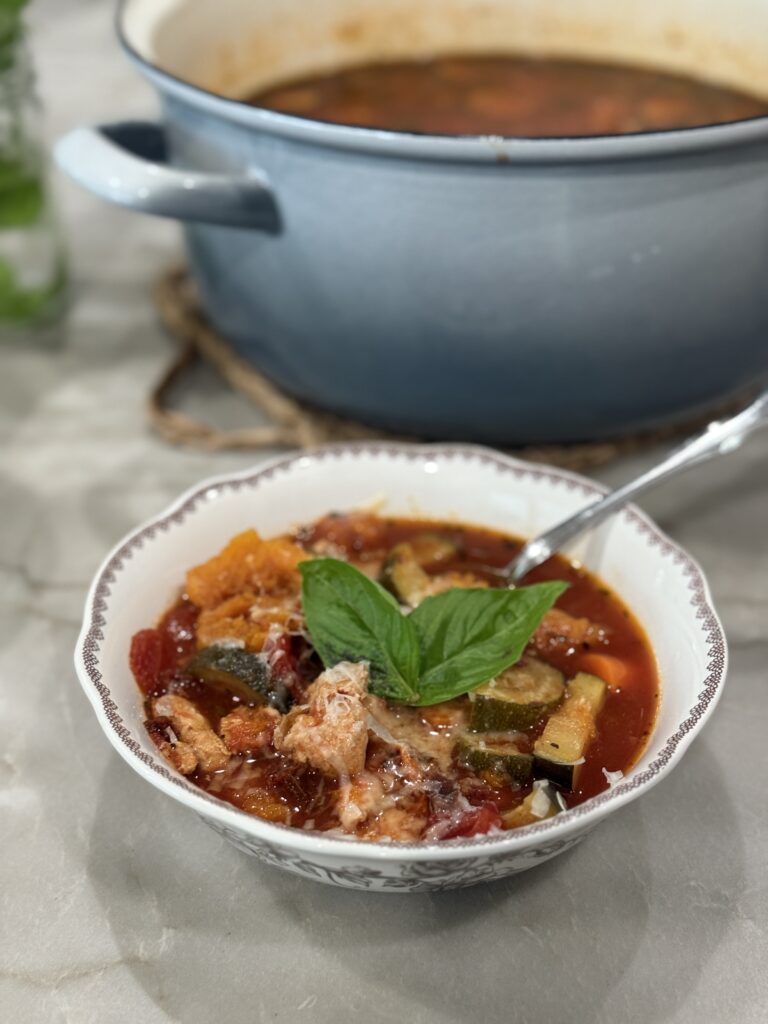
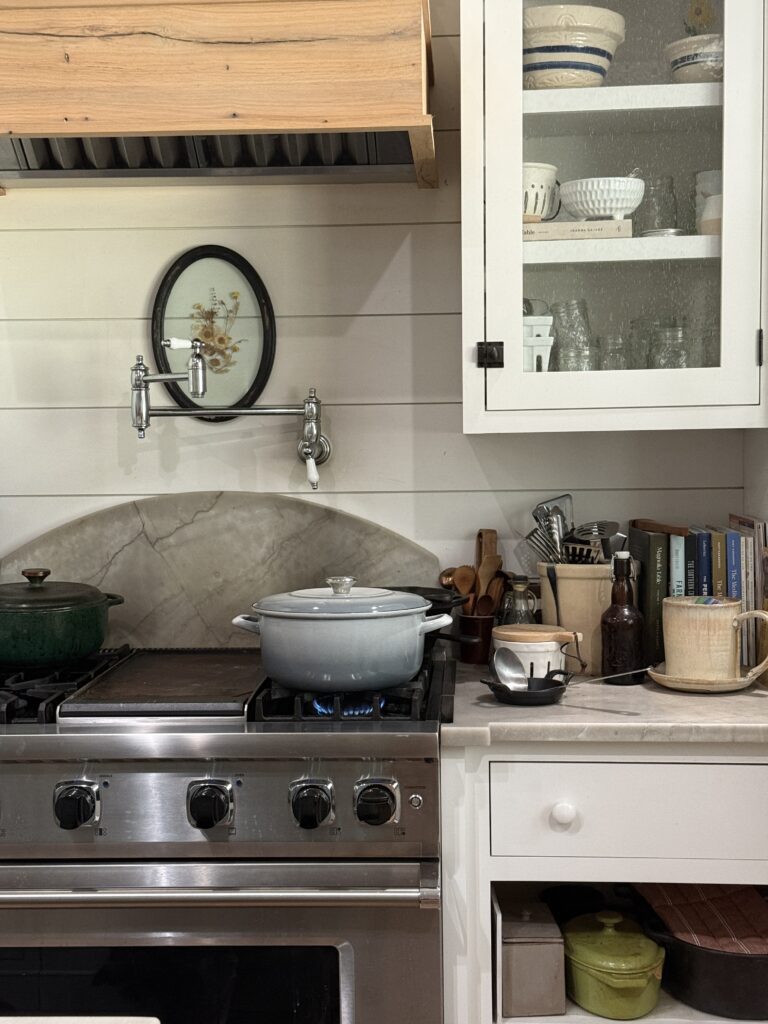
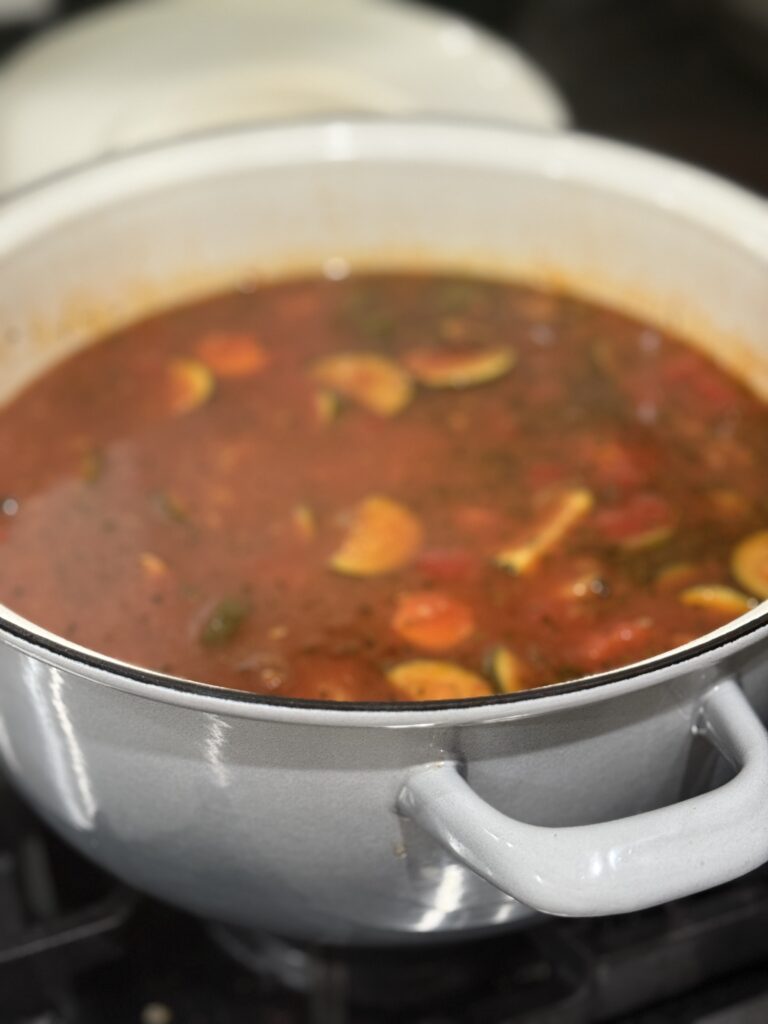
Ok, I saved the best for last! Not really but I’ll definitely use this one the most. I love love this dutch oven. It comes in several colors but I love the gray so much. It’s handmade in Germany and crafted by master artisans from enameled iron. This Dutch oven is designed to heat quickly and evenly, giving you total control over your food.
Features:
Handcrafted from enameled iron, this Dutch oven heats quickly and evenly, which lets you dial in the perfect temp for any meal. The spacious 7-quart design offers room for batch cooking, soups, stews, and family-sized portions.
It’s built to last, GlazeGuard is fused directly to the body and creates a bond that’s more chip-resistant than enameled cast iron.
Do They Have Kitchen Tools
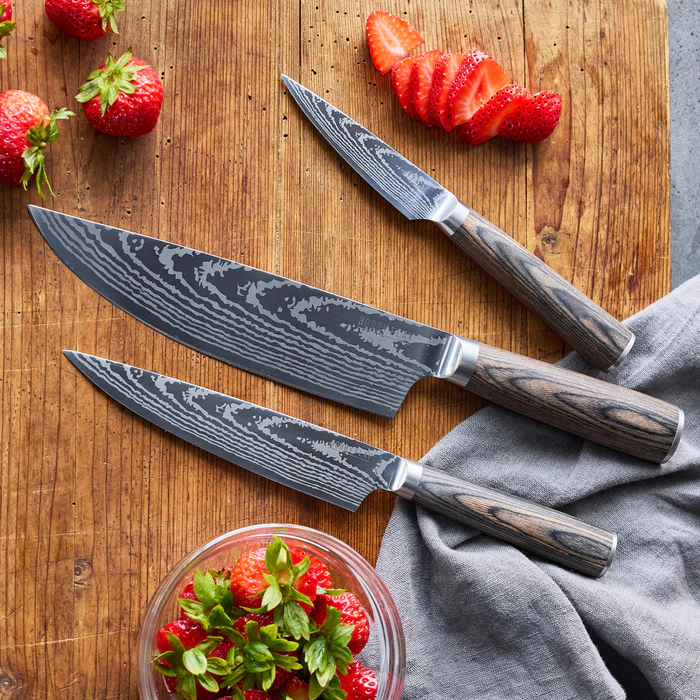
Yes, they do. I bought two spoons – a sauté and mixing/stirring spoon. I also bought a new set of knives. They have a variety of kitchen tools to choose from and they come in different colors. These little cleaning sponges are handy for clean up as well.
I hope you’ve enjoyed learning about toxic chemicals that are constantly being leached into our food and our bodies. With one step at a time, we can create homes and kitchens the way we were intended to live.
Where to Buy GreenPan Products
I have found two sources online where you can purchase their products.
- GreenPan’s website – As I stated earlier, if you use Rakuten, you can receive cash back by ordering from their website. They ship for free when you spend $125.00. You’ll also receive their cookbook for free when you do.
- Amazon – GreenPan has a complete store on Amazon. Don’t get overwhelmed as there are alot of products. There’s a search bar so all you have to do is type in what you are looking for.
Resources
Cao Y, Ng C. Absorption, distribution, and toxicity of per- and polyfluoroalkyl substances (PFAS) in the brain: a review. Environ Sci Process Impacts. 2021 Nov 17;23(11):1623-1640. doi: 10.1039/d1em00228g. PMID: 34533150.
Nannaware M, Mayilswamy N, Kandasubramanian B. PFAS: exploration of neurotoxicity and environmental impact. Environ Sci Pollut Res Int. 2024 Feb;31(9):12815-12831. doi: 10.1007/s11356-024-32082-x. Epub 2024 Jan 26. PMID: 38277101.
Wang M, Hossain F, Sulaiman R, Ren X. Exposure to Inorganic Arsenic and Lead and Autism Spectrum Disorder in Children: A Systematic Review and Meta-Analysis. Chem Res Toxicol. 2019 Oct 21;32(10):1904-1919. doi: 10.1021/acs.chemrestox.9b00134. Epub 2019 Oct 4. PMID: 31549506.
Hadrup N, Sørli JB, Jenssen BM, Vogel U, Sharma AK. Toxicity and biokinetics following pulmonary exposure to aluminium (aluminum): A review. Toxicology. 2024 Aug;506:153874. doi: 10.1016/j.tox.2024.153874. Epub 2024 Jun 30. PMID: 38955312.

Wendy Lea Walker, NTP
Nutritional Therapy Practitioner

Leave a Reply