

Canning cherries is a great way to preserve their flavor for year-round enjoyment. Below is a concise step-by-step guide for canning cherries using the water bath canning method, which is suitable for high-acid foods like cherries.
{Jump to Recipe}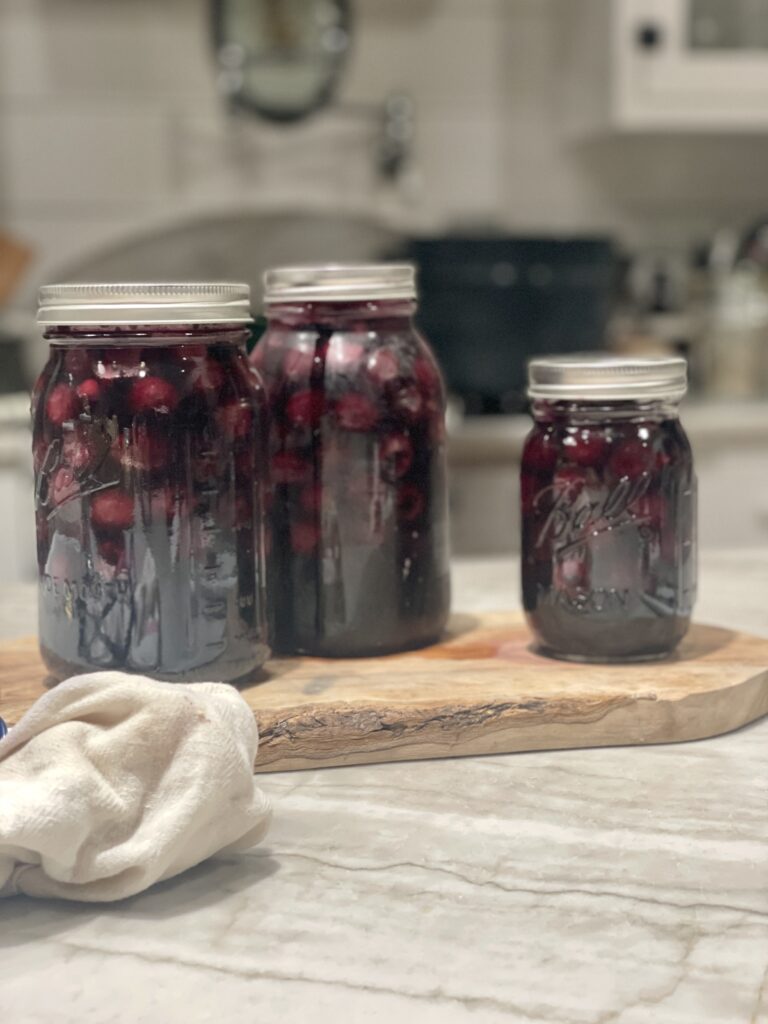
Equipment Needed
Canning jars (pint or quart), lids, and bands
Water bath canner or large pot with a rack
Jar lifter, funnel, and bubble remover (or a non-metallic utensil like a chopstick)
Large saucepan for syrup
Cherry pitter (optional but recommended)
Clean towels
Ingredients
Cherries (about 2–2.5 lbs per quart jar), washed, stems removed, and pitted (optional, but pitted cherries are easier to use later)
Honey (for syrup) or fruit juice (e.g., apple or grape juice)
Water (for syrup)
Lemon juice (optional, for tartness or to preserve color)
Join Our Simple Living Community


Steps to Canning Cherries
1. Prepare Your Equipment:
Sterilize clean jars by boiling them in the water bath canner for 10 minutes or running them through a dishwasher cycle. Keep them hot until ready to use.
Place lids in a small saucepan of simmering (not boiling) water to soften the sealing compound.
Fill the water bath canner with enough water to cover jars by 1–2 inches and start heating it.
2. Prepare the Cherries:
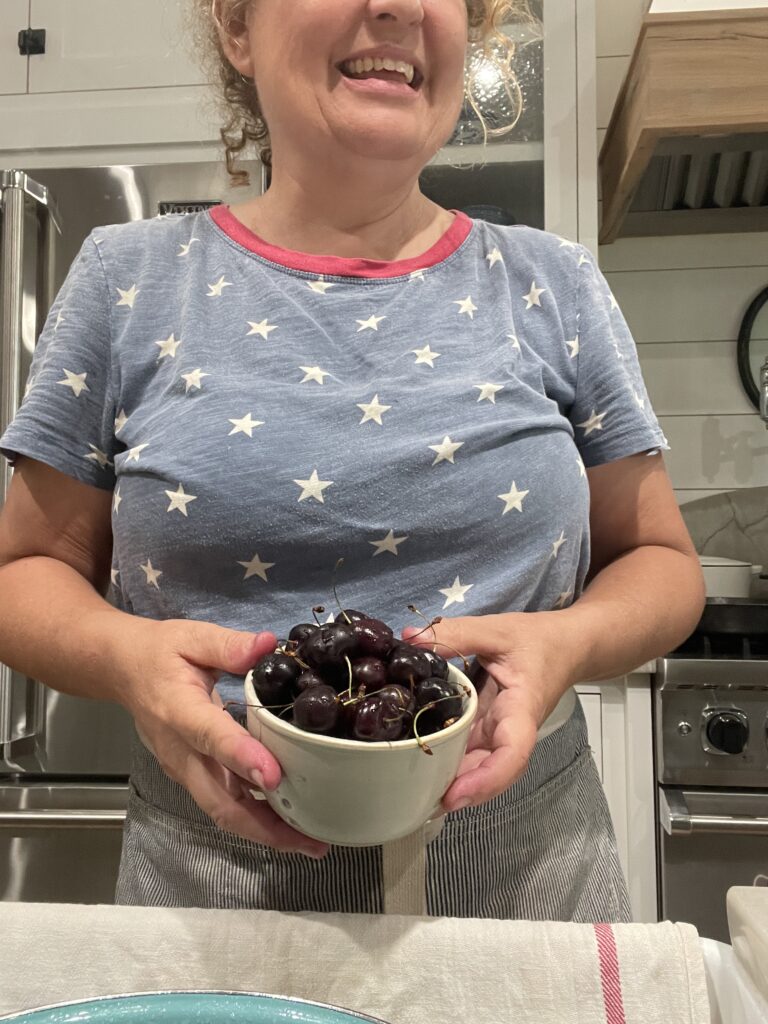
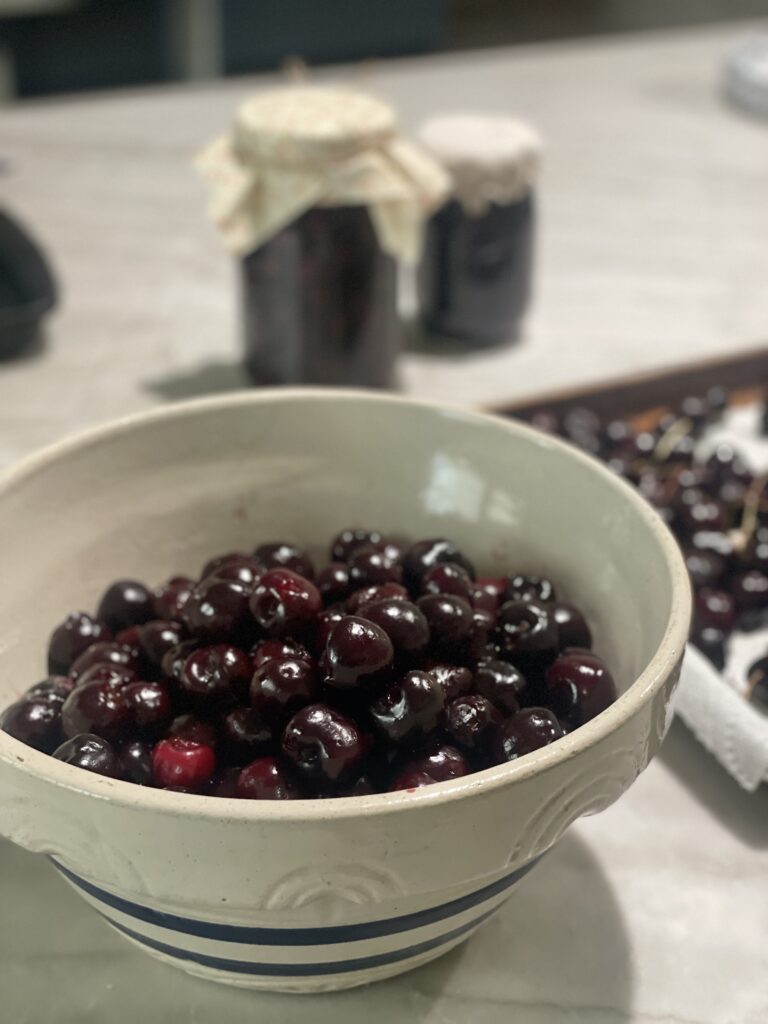
Wash cherries thoroughly under cold water and remove stems. Add 1/4 cup of white vinegar and allow to sit for 2-3 minutes. Rinse and use.
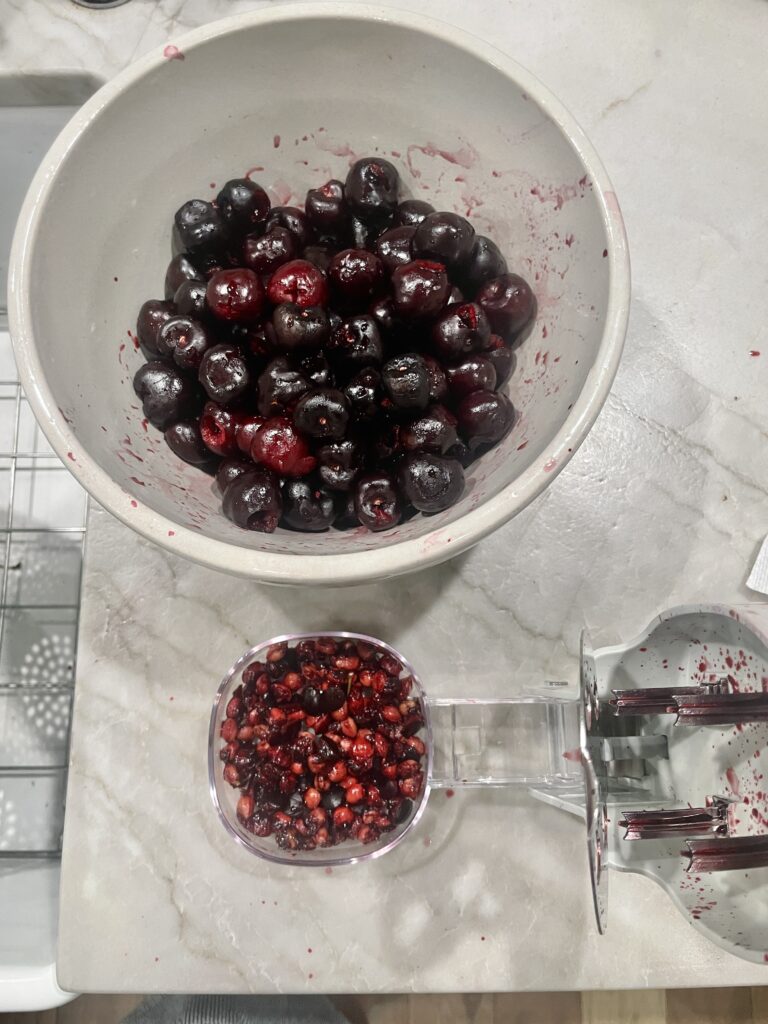
Pit cherries using a cherry pitter or small knife, if desired (pitting the cherries before you can them will make it easier when it comes time to use them in a recipe).
Optionally, soak cherries in a solution of 1/4 cup lemon juice per gallon of water to prevent browning.
3. Make the Syrup:
Prepare a light syrup (recommended for bing cherries):
For this recipe, use the following for a honey syrup:
- 3 cups honey
- 15 cups water
This will perfectly fill your 5 pint and 5 quart mason jars with the honey water mixture. Depending on what size jars you are using, you may have some of the honey syrup left over. If so, make some good ‘ole sweet tea with it.
Other Options:
Alternatively, use fruit juice (e.g., apple or grape) instead of syrup for a no-added -sugar option. You’ll just add the juice straight from the bottle into the jars.
*Keep syrup hot but not boiling. Try not to go over 104 degrees as the enzymes and antioxidants in the raw honey will begin to breakdown.
Pack the Jars:
Raw Pack Method (simpler, for firm cherries):
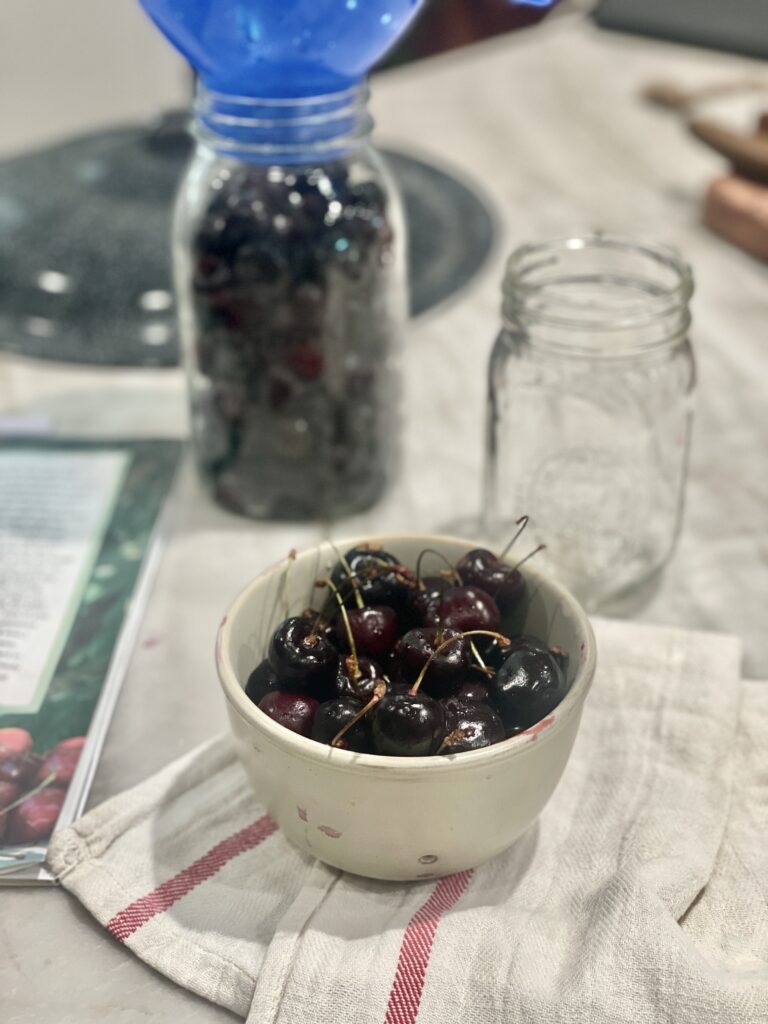
Place pitted cherries into hot jars, leaving 1/2-inch headspace.
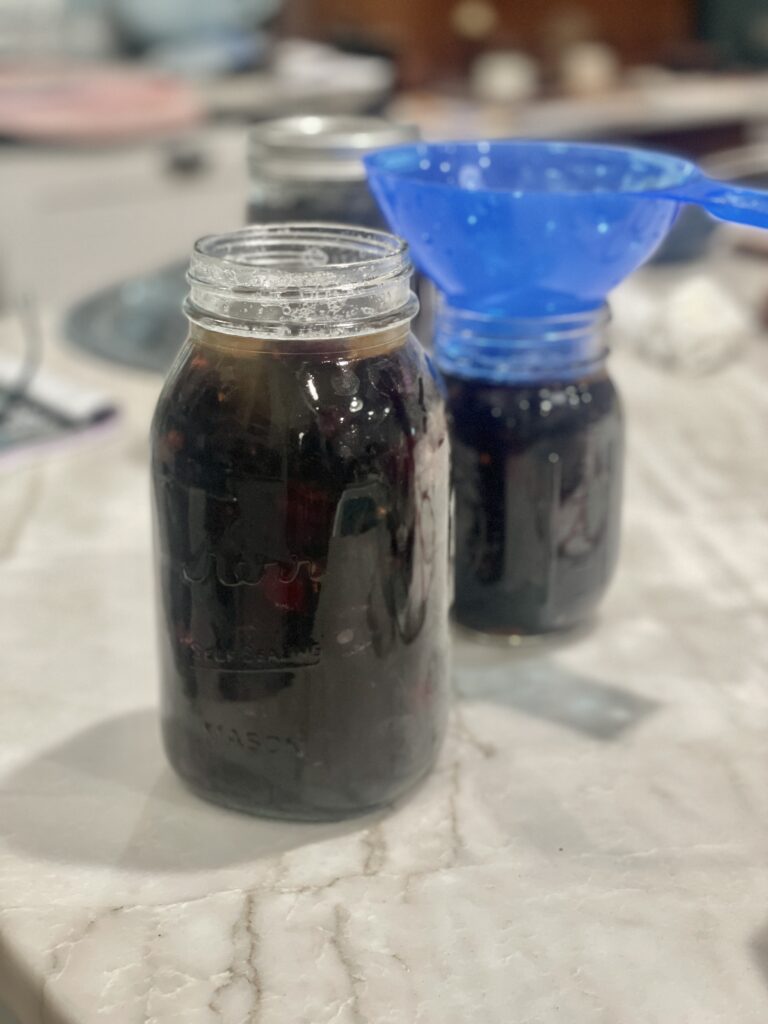
Pour hot syrup or juice over cherries, maintaining 1/2-inch headspace.
Gently tap jars or use a bubble remover to release air bubbles.
Hot Pack Method (better for softer texture, less floating):
Simmer cherries in syrup or juice for 2–5 minutes.
Ladle hot cherries and liquid into jars, leaving 1/2-inch headspace.
Remove air bubbles as above.
Adding the Lemon Juice
Add the lemon juice when filling the jars.
- For each quart of cherries: Add 2 tablespoons of lemon juice.
- For each pint of cherries: Use 1 tablespoon of lemon juice.
Additional Tips
- Ensure that the cherries are fresh and firm for the best results. Cherries can mold quickly. Plan accordingly when buying them and when you will be canning them.
- If using a syrup for canning, you can mix the lemon juice directly into the syrup before pouring it over the cherries.
- Always follow safe canning practices, including using sterilized jars and proper sealing methods.
By adding the right amount of lemon juice, you can preserve the quality and flavor of your canned cherries effectively.
1. Seal the Jars:
Wipe jar rims with a clean, damp cloth to ensure a good seal.
Place lids on jars and screw on bands until fingertip-tight (not overly tight).
2. Process in Water Bath Canner:
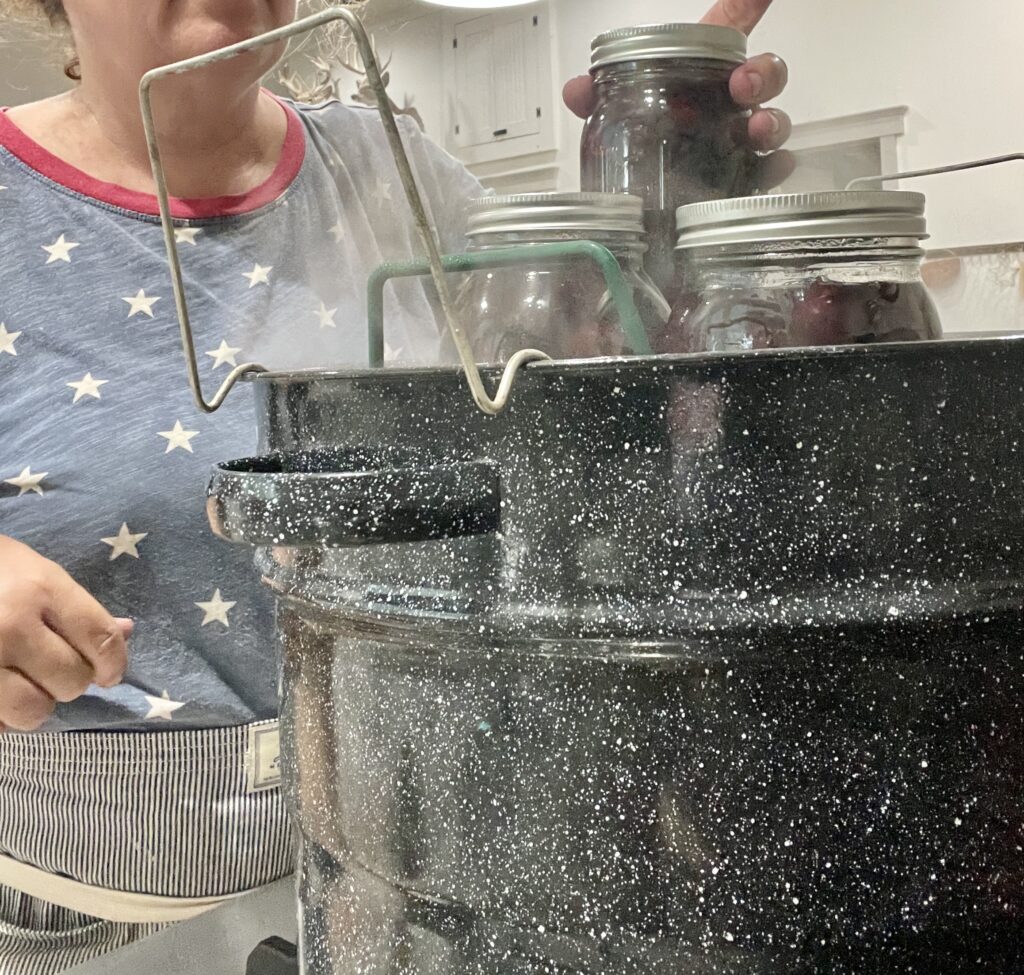
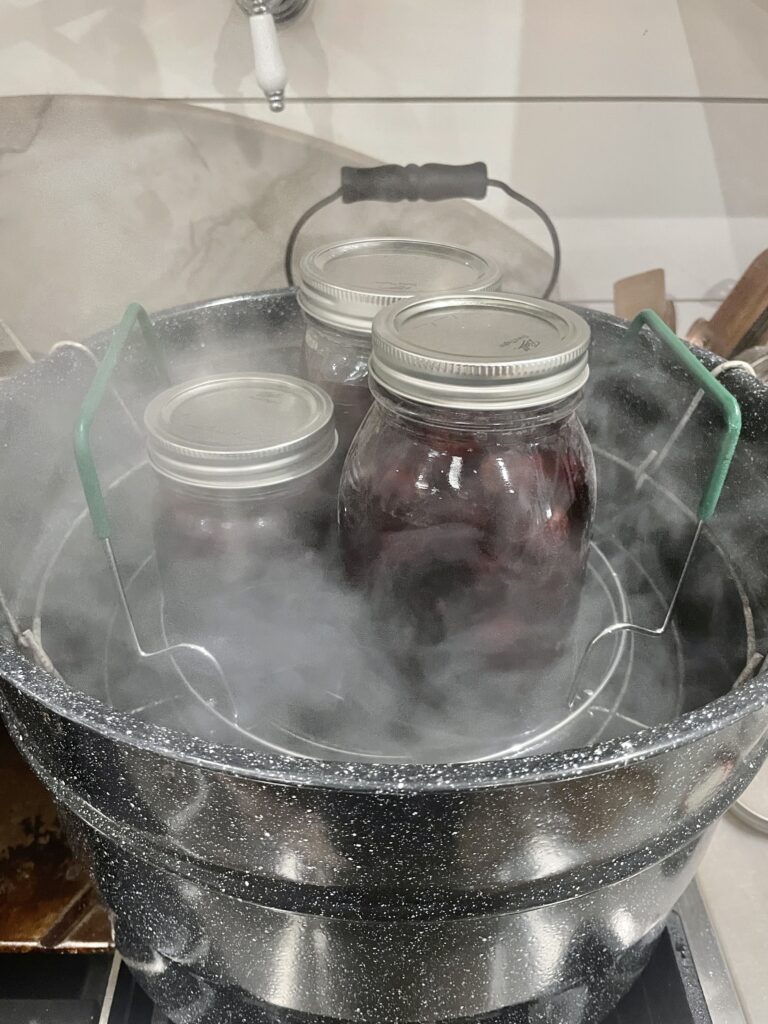
Place jars in the canner, ensuring they’re covered by at least 1–2 inches of water.
Bring water to a full boil and process for the time based on jar size and altitude:
Pints: 15 minutes (0–1,000 ft), 20 minutes (1,001–6,000 ft), 25 minutes (above 6,000 ft).
Quarts: 20 minutes (0–1,000 ft), 25 minutes (1,001–6,000 ft), 30 minutes (above 6,000 ft).
Start timing once the water reaches a full boil.
3. Cool and Store:
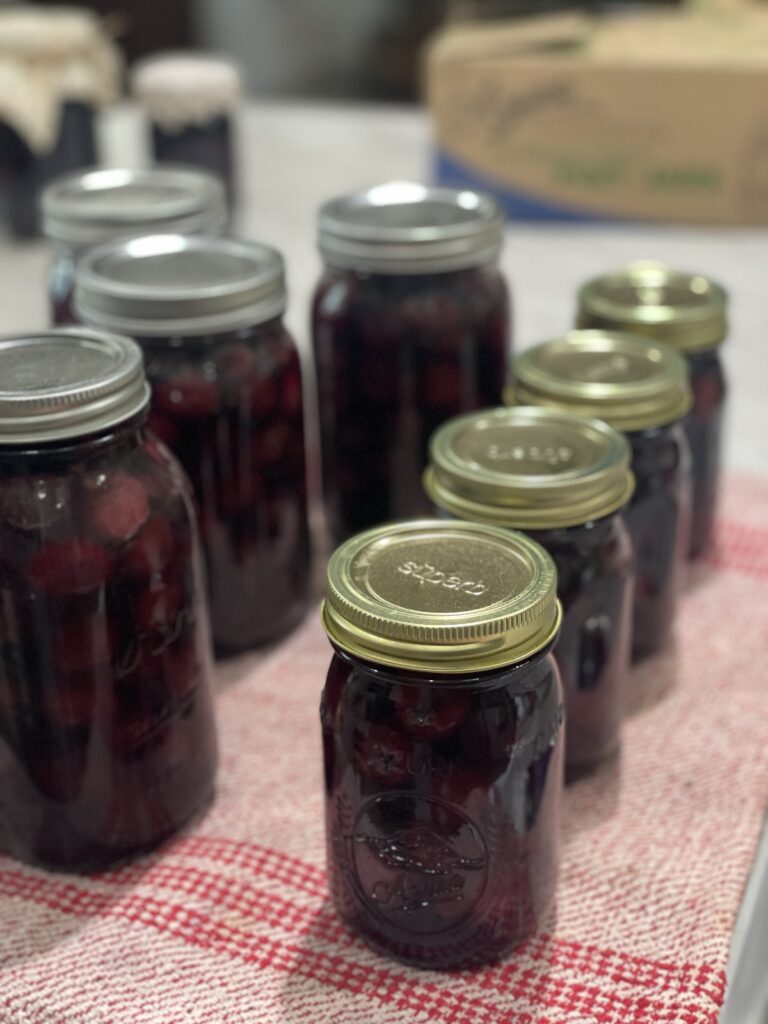
Remove jars using a jar lifter and place them on a towel-lined surface to cool undisturbed for 12–24 hours.
Check seals: Lids should be concave and not flex when pressed. If a jar didn’t seal, refrigerate and use within a week.
Label sealed jars with the date and store in a cool, dark, dry place for 12-18 moths.
Safety First
Canning is an important, safe method of food preservation if practiced properly. The canning process involves placing foods in jars or cans and heating them to a temperature that destroys microorganisms that could be a health hazard or cause the food to spoil. Canning also inactivates enzymes that could cause the food to spoil. Air is driven from the jar or can during heating and as it cools a vacuum seal is formed. This vacuum seal prevents air from getting back into the product bringing with it microorganisms to recontaminate the food.
Where to Buy Cherries?
If you are like me and live here in the South, you can’t grow the delicious dark cherries, like Bing. I absolutely love cherries! When I found a way a few years ago to buy Organic cherries straight from Oregon, I jumped right on it. Here’a few ideas on where I would look to buy cherries:
- Go to a local farmer’s market. They are more prone to carry produce grown from farmers.
- Shop at a specialty market instead of a “big box” grocery store. They also support local farmers and have resources on where to find good quality produce.
- Order them online. One of my favorite places to shop in bulk is Azure Standard. If you are near a local drop, then just place your order that way. If you aren’t, then just have them shipped to you. It’s worth it to me to buy a bunch in bulk so I can have them all year long. I am linking the organic cherries but you can look around to see if you like something else.
Pin For Later
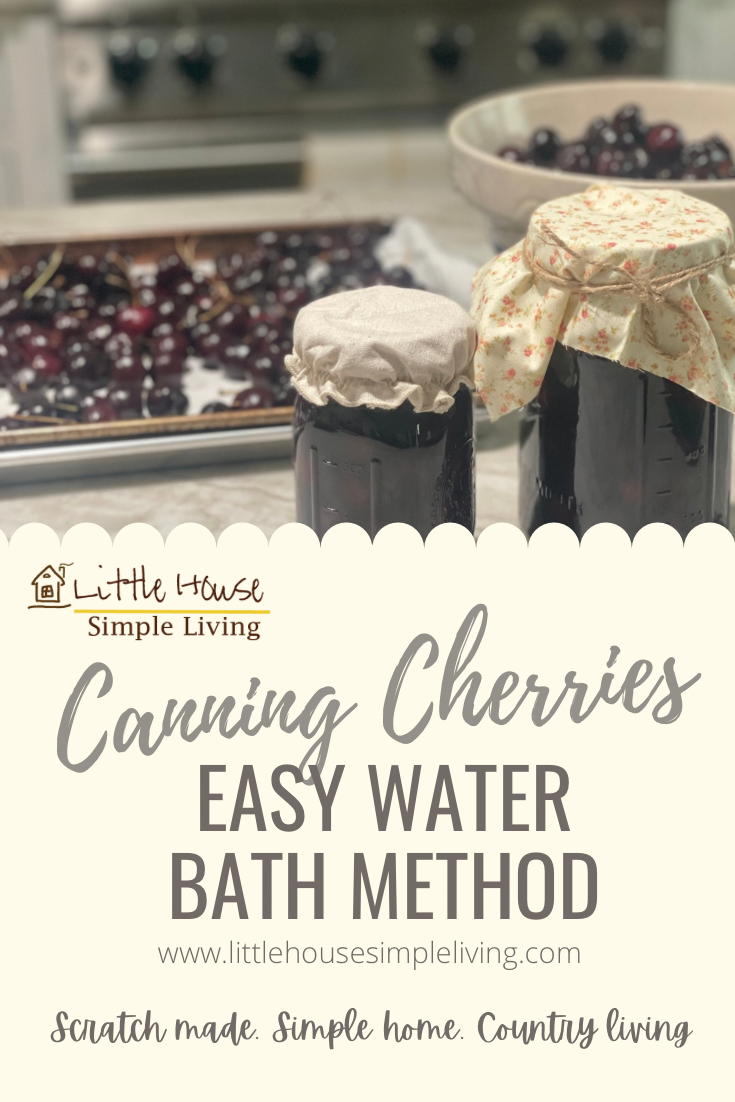
Tools Used in This Recipe
Mason Jars (pints and quarts), Lids and Bands
Water Bath Canner – I recommend this one and this one.
Jar Lifter, Headspace and Bubble Removal Tool
Cherry Pitter – I recommend this one and this one.
Clean Towel
Optional Variations
Add a splash of vanilla extract or a cinnamon stick to the syrup for extra flavor.
For low-sugar diets, can cherries in water or unsweetened juice, but note the texture may be less firm.
If you don’t have a water bath canner, a pressure canner can be used, but adjust processing times (consult a reliable source like the USDA).
Tips For Success
Choose Quality Cherries: Use firm, ripe cherries without blemishes. Sweet cherries (e.g., Bing) or sour cherries (e.g., Montmorency) both work well. Organic is preferred.
Safety First: Follow USDA or National Center for Home Food Preservation guidelines to avoid botulism or spoilage. Cherries are acidic enough for water bath canning, but improper sealing or processing can lead to risks.
Storage: Check jars periodically for signs of spoilage (e.g., bulging lids, leaks, or off odors). Discard any suspect jars.
Uses: Canned cherries are great for pies, cobblers, jams, or eating straight from the jar.
Want to Learn How to Can Other Fruits and Vegetables?
Grab My Beginner’s Guide to Water Bath Canning!
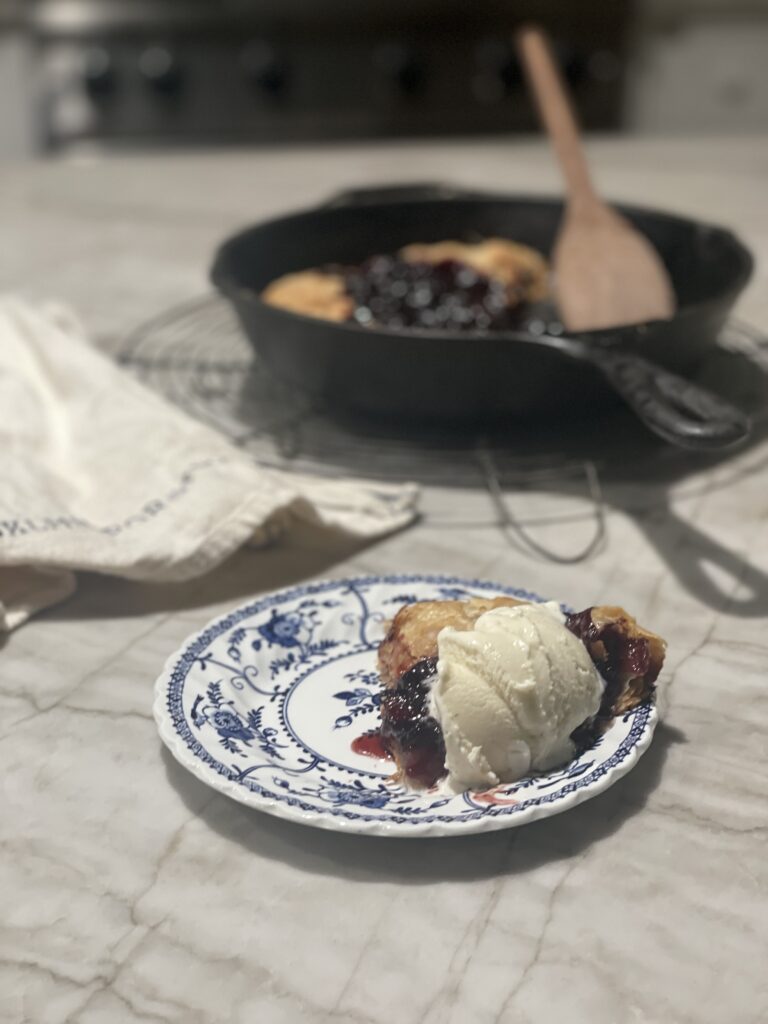
Try Making This Cherry Galette!
Some of My Favorite Canning Books
Ball Complete Book of Home Preserving
The USDA Complete Guide to Home Canning
Are Cherries Nutritious?
Cherries offer numerous health benefits due to their rich nutrient profile and bioactive compounds. Below is a concise overview of their key benefits, based on well-established nutritional science:
1. Rich in Antioxidants:
• Cherries, especially tart varieties, are high in antioxidants like anthocyanins and cyanidin, which combat oxidative stress and reduce inflammation. These compounds may lower the risk of chronic diseases such as heart disease and cancer.
• Studies suggest antioxidants in cherries may help protect cells from damage caused by free radicals.
2. Anti-Inflammatory Properties:
• Anthocyanins in cherries can reduce inflammation markers, potentially alleviating symptoms of arthritis and gout. Tart cherry juice is often studied for its ability to lower uric acid levels, reducing gout flare-ups.
3. Improved Sleep Quality:
• Cherries, particularly tart cherries, are a natural source of melatonin, a hormone that regulates sleep. Drinking tart cherry juice may improve sleep duration and quality, especially for those with insomnia.
Even More Benefits
4. Heart Health:
• The potassium, fiber, and antioxidants in cherries support cardiovascular health by helping regulate blood pressure, reducing LDL cholesterol oxidation, and improving blood vessel function.
5. Blood Sugar Regulation:
• Cherries have a low glycemic index (around 22–25), making them a good choice for managing blood sugar. Their fiber content also supports steady glucose levels.
7. Brain Health:
• The antioxidants in cherries may protect brain cells from oxidative damage, potentially reducing the risk of neurodegenerative diseases like Alzheimer’s and improving cognitive function.
8. Immune Support:
• Cherries provide vitamin C (about 10–15% of daily needs per cup), which supports immune function and skin health. They also contain small amounts of vitamin A and other micronutrients.
Notes:
Tart vs. Sweet Cherries: Tart cherries (e.g., Montmorency) have higher antioxidant levels and are often used in studies for health benefits, while sweet cherries (e.g., Bing) are milder but still nutritious.
Forms: Fresh, frozen, dried, or juiced cherries all retain health benefits, though added sugars in processed forms (e.g., canned with heavy syrup) should be avoided.
Moderation: Cherries are healthy but high in natural sugars, so portion control is key, especially for those monitoring carbohydrate intake.
Resources:
Kelley DS, Adkins Y, Laugero KD. A Review of the Health Benefits of Cherries. Nutrients. 2018 Mar 17;10(3):368. doi: 10.3390/nu10030368. PMID: 29562604; PMCID: PMC5872786.
Howatson G, Bell PG, Tallent J, Middleton B, McHugh MP, Ellis J. Effect of tart cherry juice (Prunus cerasus) on melatonin levels and enhanced sleep quality. Eur J Nutr. 2012 Dec;51(8):909-16. doi: 10.1007/s00394-011-0263-7. Epub 2011 Oct 30. PMID: 22038497.
McCune LM, Kubota C, Stendell-Hollis NR, Thomson CA. Cherries and health: a review. Crit Rev Food Sci Nutr. 2011 Jan;51(1):1-12. doi: 10.1080/10408390903001719. PMID: 21229414.
Carvalho F, Lahlou RA, Silva LR. Phenolic Compounds from Cherries and Berries for Chronic Disease Management and Cardiovascular Risk Reduction. Nutrients. 2024 May 23;16(11):1597. doi: 10.3390/nu16111597. PMID: 38892529; PMCID: PMC11174419.
Canning Cherries (Using Water Bath Method)
Ingredients
Equipment
Method
- Sterilize clean jars by boiling them in the water bath canner for 10 minutes or running them through a dishwasher cycle. Keep them hot until ready to use.Place lids in a small saucepan of simmering (not boiling) water to soften the sealing compound.Fill the water bath canner with enough water to cover jars by 1 – 2 inches and start heating it.
- Wash cherries thoroughly under cold water and remove stems. Add 1/4 cup of white vinegar and allow to sit for 2-3 minutes. Rinse and use.Pit cherries using a cherry pitter or small knife, if desired (pitting the cherries before you can them will make it easier when it comes time to use them in a recipe).Optionally, soak cherries in a solution of 1/4 cup lemon juice per gallon of water to prevent browning.
- Prepare a light syrup (recommended for bing cherries) :For this recipe, use the following for a honey syrup:3 cups honey15 cups waterThis will perfectly fill your 5 pint and 5 quart mason jars with the honey water mixture. Depending on what size jars you are using, you may have some of the honey syrup left over. If so, make some good 'ole sweet tea with it.Other Options:Alternatively, use fruit juice (e.g., apple or grape) instead of syrup for a no-added – sugar option. You'll just add the juice straight from the bottle into the jars.*Keep syrup hot but not boiling. Try not to go over 104℉ as the enzymes and antioxidants in the raw honey will begin to breakdown.
- Raw Pack Method (simpler, for firm cherries) :Place pitted cherries into hot jars, leaving 1/2-inch headspace.Pour hot syrup or juice over cherries, maintaining 1/2-inch headspace.Gently tap jars or use a bubble remover to release air bubbles.Hot Pack Method (better for softer texture, less floating):Simmer cherries in syrup or juice for 2 – 5 minutes.Ladle hot cherries and liquid into jars, leaving 1/2-inch headspace.Remove air bubbles as above. ADD THE LEMON JUICE AT THIS STEP:For each quart of cherries: Add 2 tablespoons of lemon juice.For each pint of cherries: Use 1 tablespoon of lemon juice.ADDITIONAL TIPS:By adding the right amount of lemon juice, you can preserve the quality and flavor of your canned cherries.Ensure that the cherries are fresh and firm for the best results.If using a syrup for canning, you can mix the lemon juice directly into the syrup before pouring it over the cherries.Always follow safe canning practices, including using sterilized jars and proper sealing methods effectively.
- Wipe jar rims with a clean, damp cloth to ensure a good seal.Place lids on jars and screw on bands until fingertip-tight (not overly tight).
- Place jars in the canner, ensuring they're covered by at least 1 – 2 inches of water. Cover with lid. Bring water to a full boil and process for the time based on jar size and altitude:Pints: 15 minutes (0 – 1,000 ft), 20 minutes (1,001 – 6,000 ft), 25 minutes (above 6,000 ft).Quarts: 20 minutes (0 – 1,000 ft), 25 minutes (1,001 – 6,000 ft), 30 minutes (above 6,000 ft).*Start timing once the water reaches a full boil.
- Remove jars using a jar lifter and place them on a towel-lined surface to cool undisturbed for 12 – 24 hours.Check seals: Lids should be concave and not flex when pressed. If a jar didn't seal, refrigerate and use within a week.Label sealed jars with the date and store in a cool, dark, dry place for 12-18 months.
Notes
- Alternatively, use fruit juice (e.g., raw apple or grape) instead of syrup for a no-added – sugar option. You’ll just pour the juice in the jars. Can be a little costly but is a great option.
- When heating the honey syrup, keep it hot but not boiling. Try not to go over 104 degreesas the enzymes and antioxidants in the raw honey will begin to breakdown.
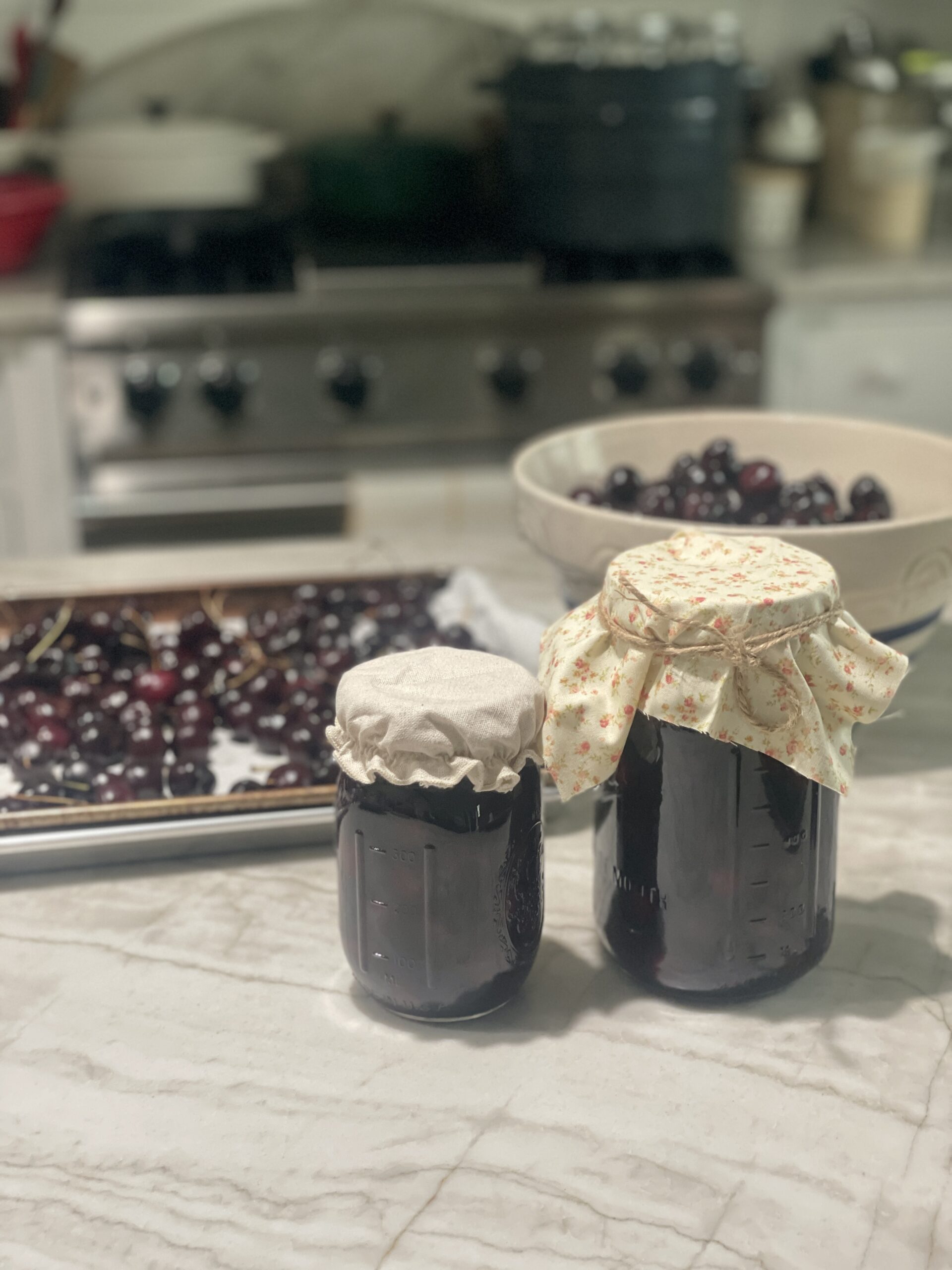
I hope you enjoyed this guide on Canning Cherries. In no time you will have delicious and nutritious cherries to enjoy all year long. Tag me over on Instagram. I’d love to see yours all jarred up!

Wendy Lea Walker, NTP
Nutritional Therapy Practitioner

Leave a Reply