

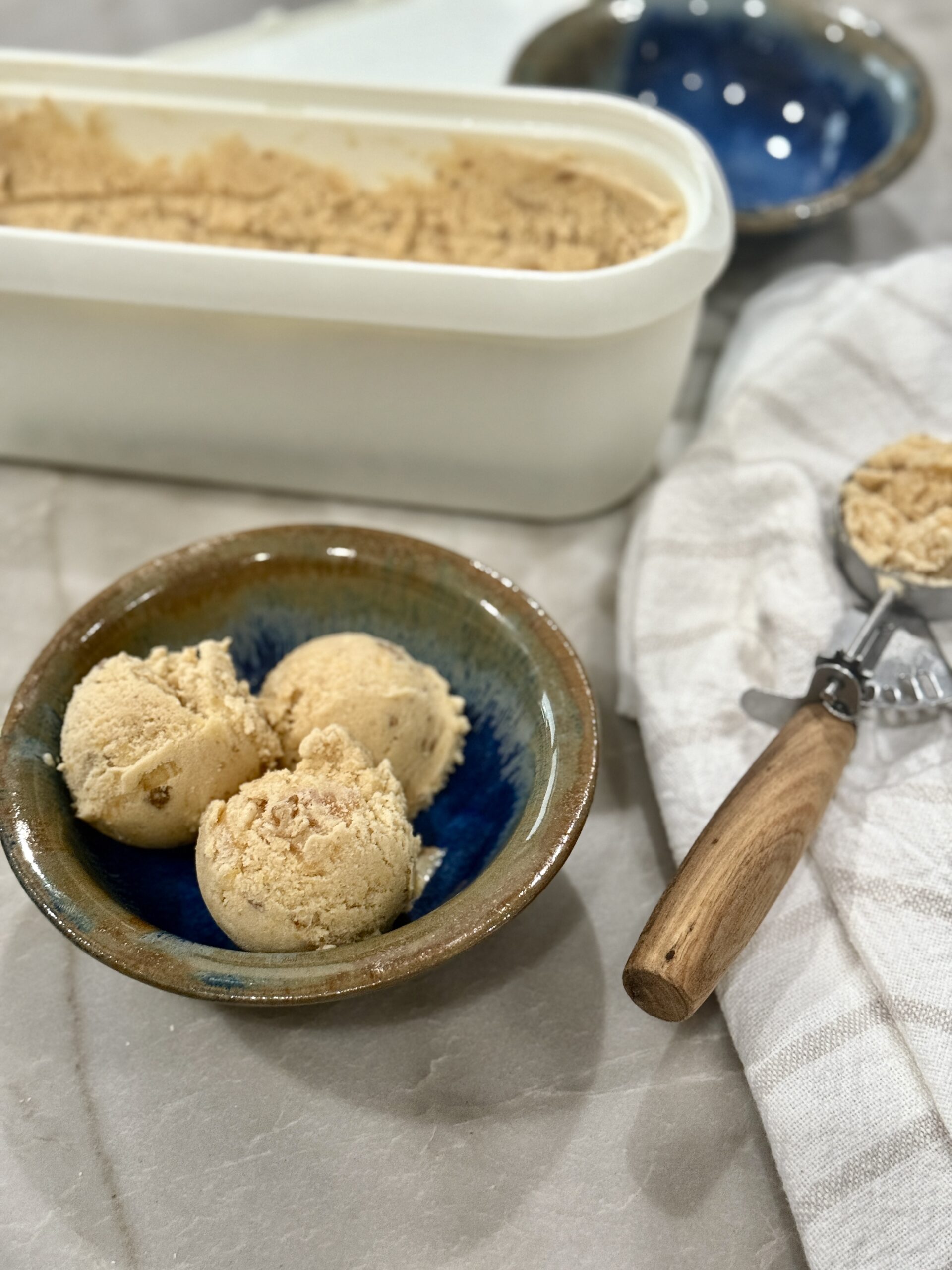
Here’s a recipe for Toasted Pecan Peach Ice Cream, combining the sweet, juicy flavor of fresh peaches with the rich, nutty crunch of toasted pecans. This recipe uses a custard base for a creamy texture and requires an ice cream maker.
One of my fondest memories as a child was getting to crank the ice cream maker that my uncle started earlier in the day. All of us kids would get in line as my Uncle Tom would help us. Even though we are much more modern today, I hope to carry on his tradition with my family.
{Jump to Recipe}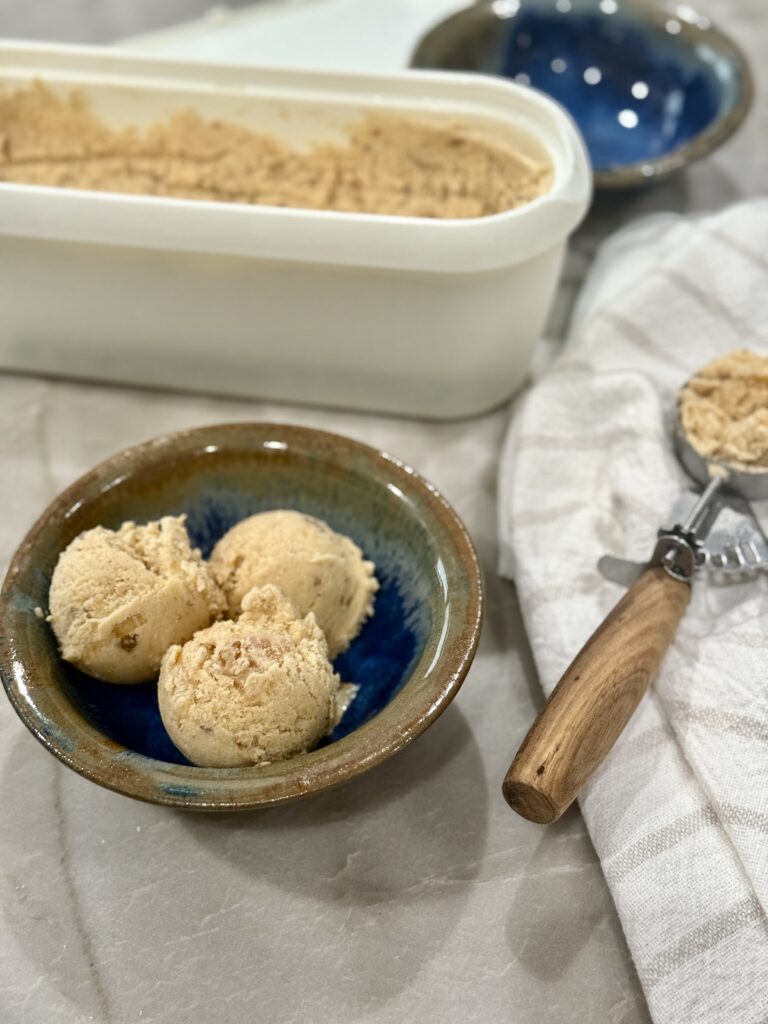
Ingredients
For the Butter-Toasted Pecans:
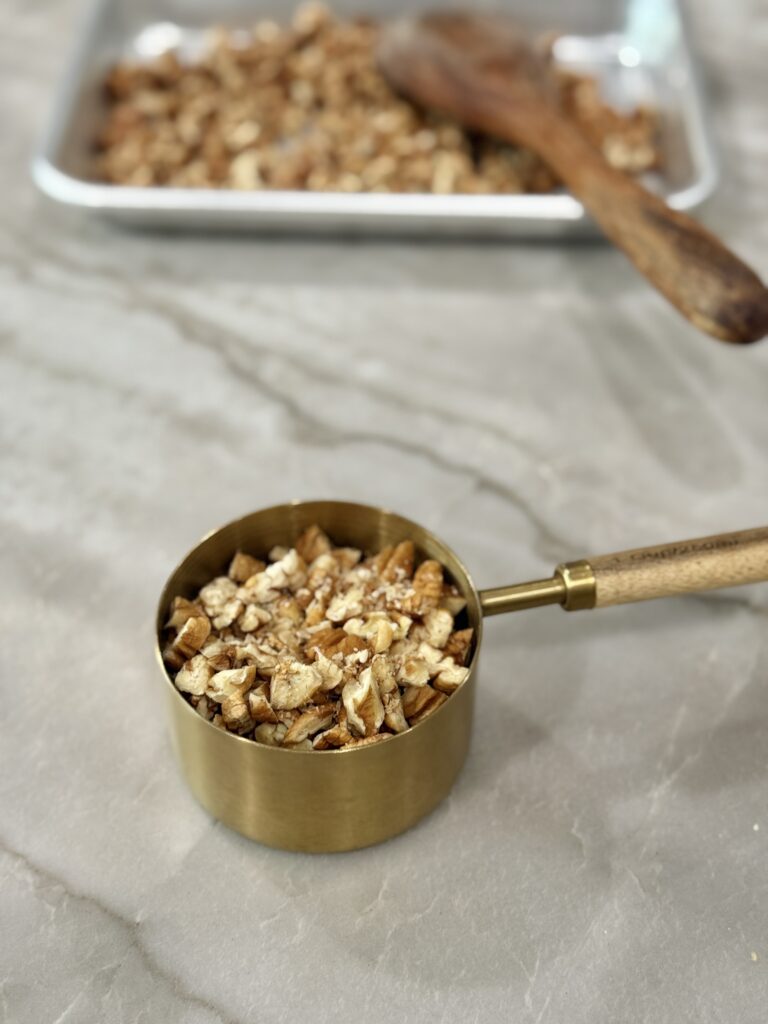
1 cup pecans, coarsely chopped
2 tablespoons unsalted grass-fed butter
1 tbsp coconut sugar (optional)
Pinch of pink salt (optional)
For the Ice Cream Custard Base:
10 oz. fresh or frozen peaches (about 2-3 medium peaches), peeled, pitted, and chopped
3 large egg yolks (from my chickens)
½ cup coconut sugar
3/4 cup maple syrup (Grade Amber or B for a more robust flavor)
2 cups heavy cream ( I used raw cream from a local farmer but use whatever you like)
1 1/2 cups whole milk (I used raw milk from a local farmer but use whatever you like)
1 teaspoon vanilla extract
Pinch of pink salt and vanilla powder (optional)
Equipment Used in Toasted Pecan Peach Ice Cream
Cast iron skillet (for toasting pecans)
Ice cream maker (e.g., Whynter, Cuisinart or KitchenAid attachment)
Large saucepan


Instructions
1. Toast the Pecans:
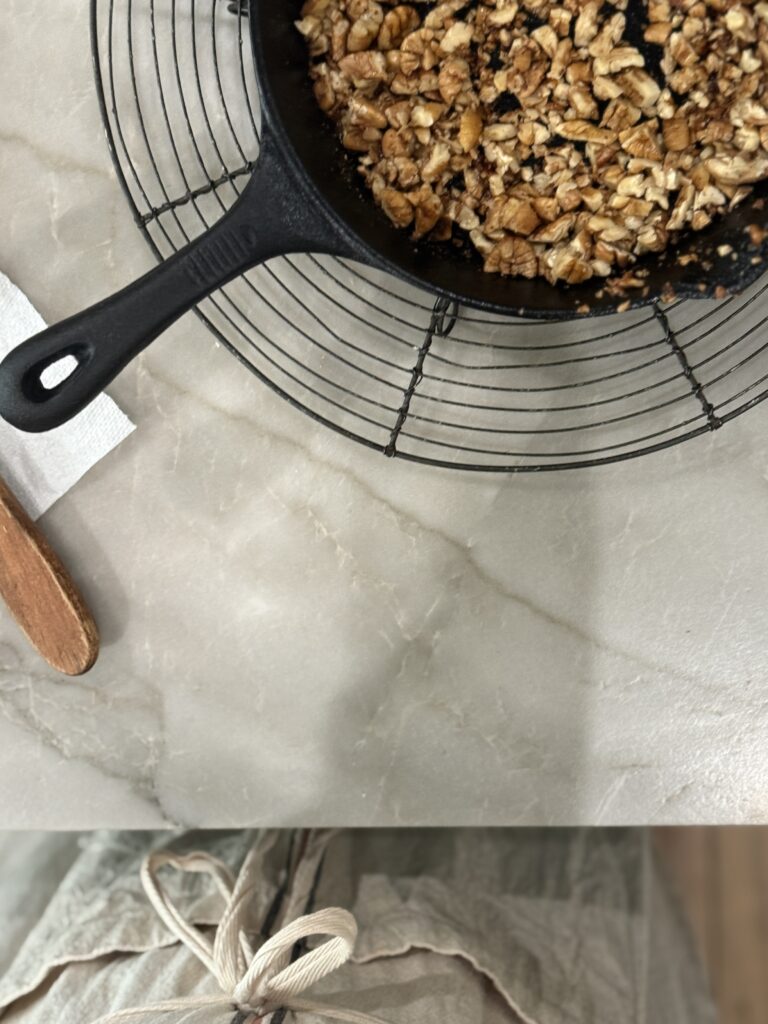
Heat a cast iron skillet over medium heat. Add 2 tablespoons butter and let it melt, swirling to coat the pan.
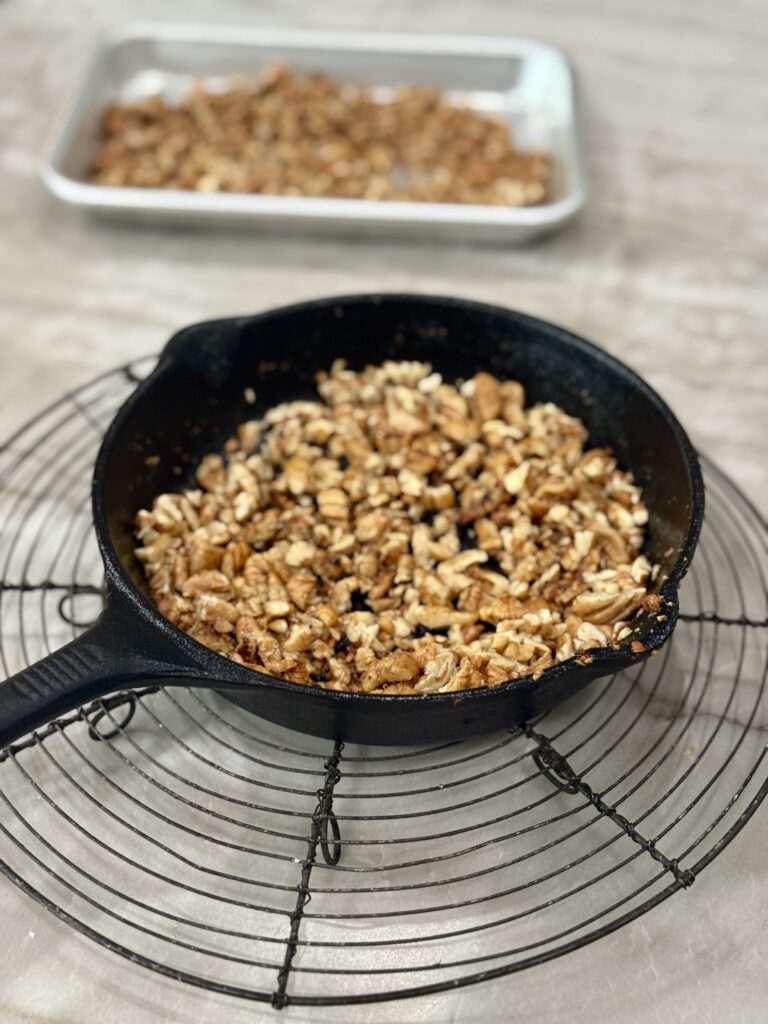
Add chopped pecans and stir frequently for 3–5 minutes until fragrant and lightly browned. Drizzle in 1 tablespoon coconut sugar and a pinch of salt (optional), stirring until the pecans are coated and slightly caramelized. Turn the heat down to low, if needed, to avoid burning the pecans.
Transfer pecans to a plate or cookie sheet to cool completely. Store any leftovers in an airtight container.
2. Make the Custard Base:
This custard base can be used for so many different flavors of ice cream. I just keep it on repeat or if I am making several different kinds of ice cream, I’ll multiply the recipe.
In a large saucepan, whisk together the milk and coconut sugar until smooth or the sugar is dissolved.
Whisk together the eggs and slowly add to the milk mixture. Cook on medium-low, stirring constantly with a wooden spoon or spatula, until the mixture reaches 160°F. The custard will thicken slightly and coat the back of the spoon (about 8-10 minutes). This will tell you that it’s done. Do not let it boil to avoid curdling.
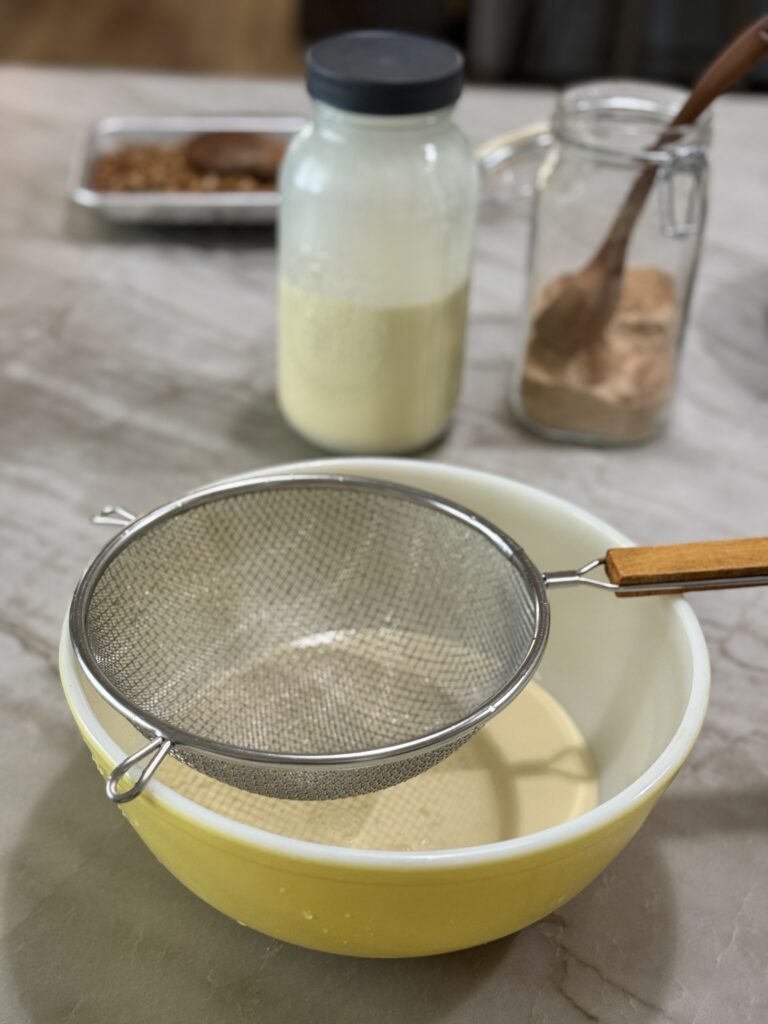
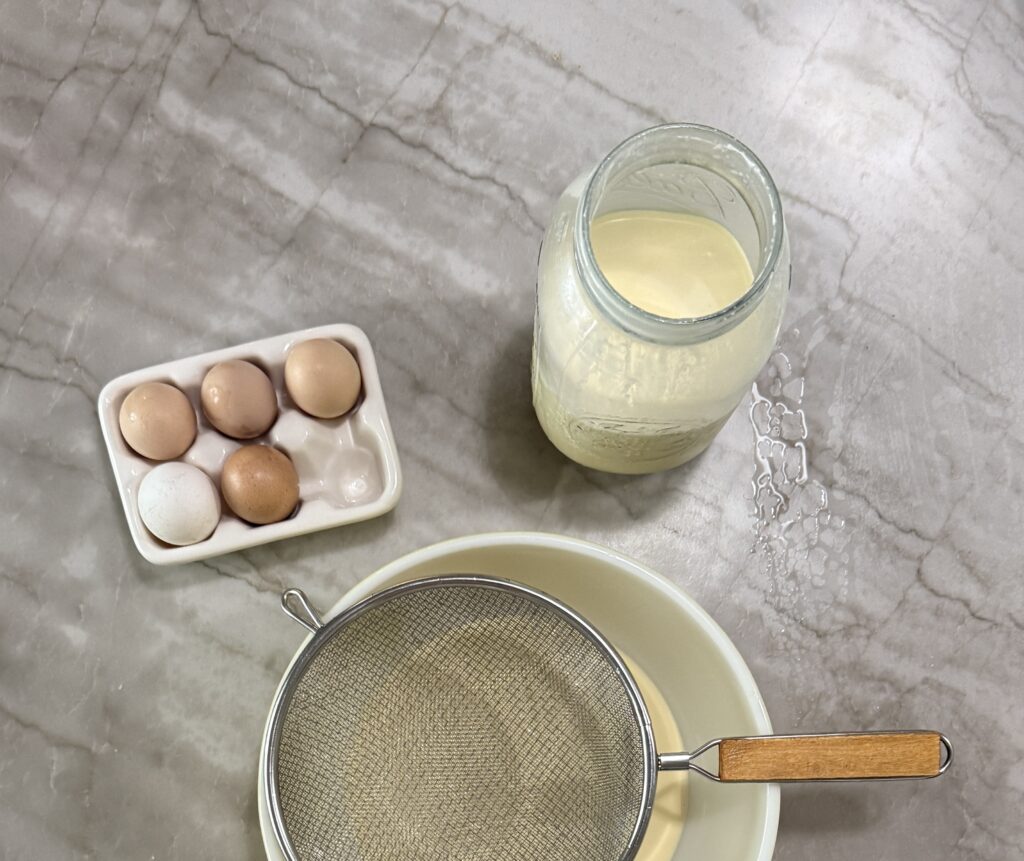
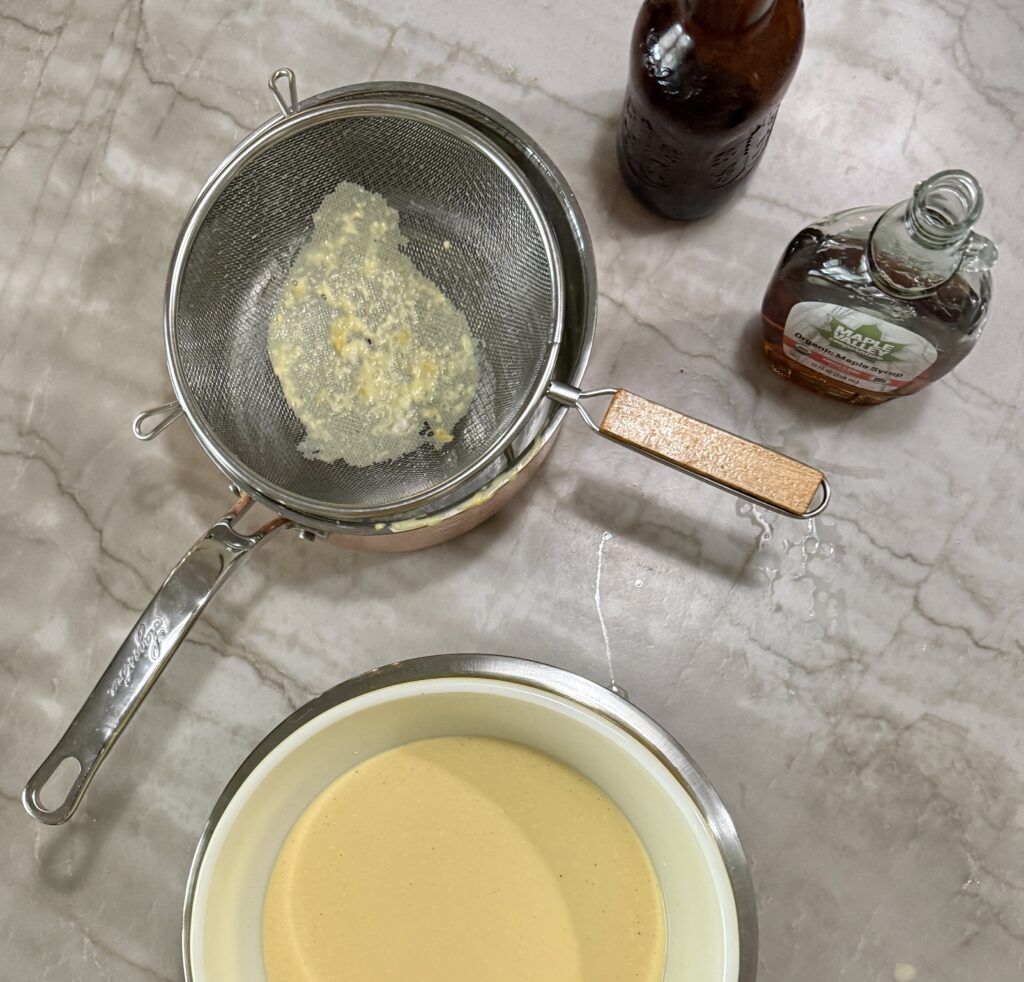
Meanwhile, pour the heavy cream into a bowl, placing the sieve on top. Remove the milk/egg mixture from the heat and stir into heavy cream (pour in the sieve and it will drain into the bowl. Taking your spatula and pushing down in the sieve to get all the liquid out. You might see some egg pieces in the sieve and that is what should be happening.
If using fresh peaches: Peel and slice 3-5 of them, removing the pits. Cut peaches into small cubes. Reserve approx. 1/4 cup for later on. Add them to a pot of boiling water and cook until they are soft all the way through. Approximately 8-10 minutes. Remove from heat, drain and allow to cool. Once cooled, place the peaches in a blender and blend until smooth.
Next, remove the sieve. Add the blended peaches, vanilla extract, pinch of vanilla powder and salt to the bowl. Lastly, add the maple syrup, stirring until fully incorporated. Stir all that together until combined.
Cool the custard in an ice bath (place the bowl in a larger bowl of ice water) for 10 minutes, stirring occasionally. Cover and refrigerate for at least 4 hours, preferably overnight.
Other Ways to Eat Fresh Picked Peaches
Here are some yummy ways I love to eat fresh peaches:
- Fresh, right out of your hand (don’t forget a napkin)
- Sliced over oatmeal for breakfast (drizzle a little honey or maple syrup + some pecans)
- In a refreshing pitcher of Peach Tea
- Tossed into a simple grilled chicken summer salad
- Grilled honey glazed peaches
- Baked into a cobbler, crisp, or a pie
3. Churn the Toasted Pecan Peach Ice Cream:
Pre-freeze your ice cream maker’s canister (at least 15 hours for most models). My ice cream maker doesn’t require to pre-freeze.
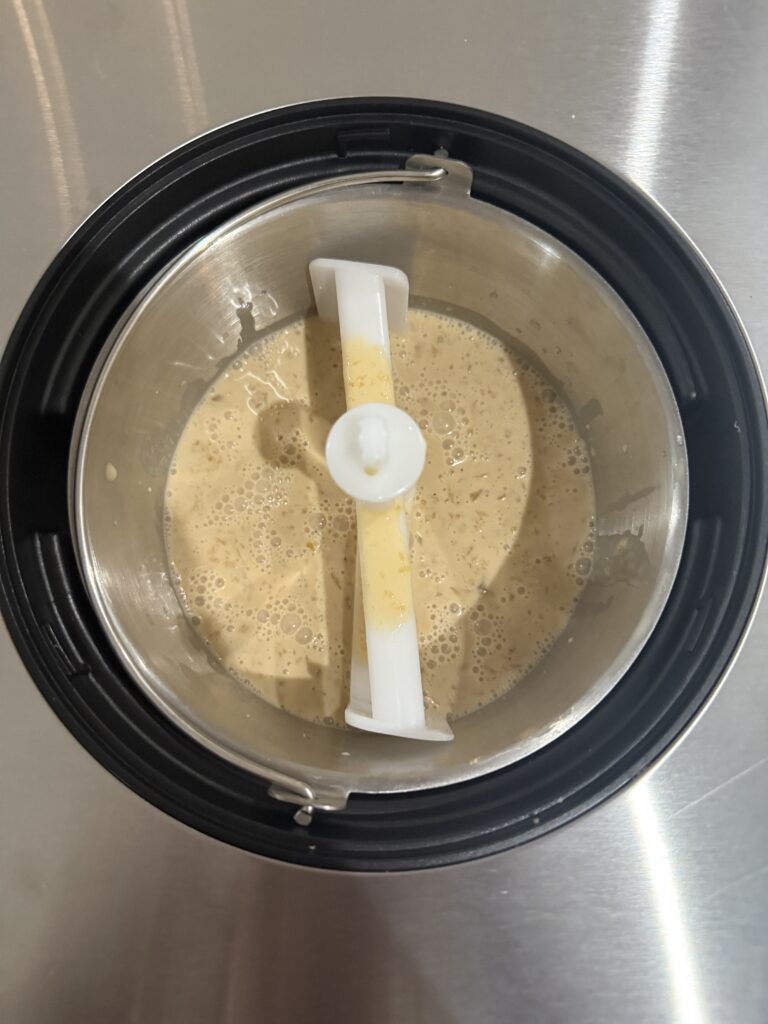
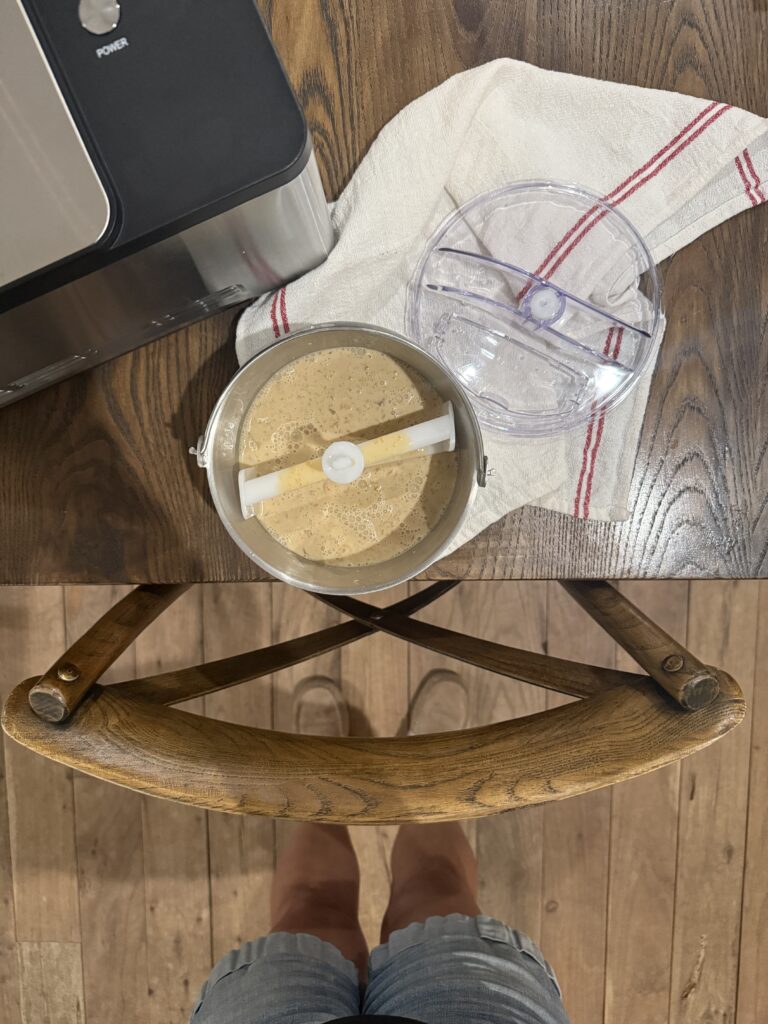
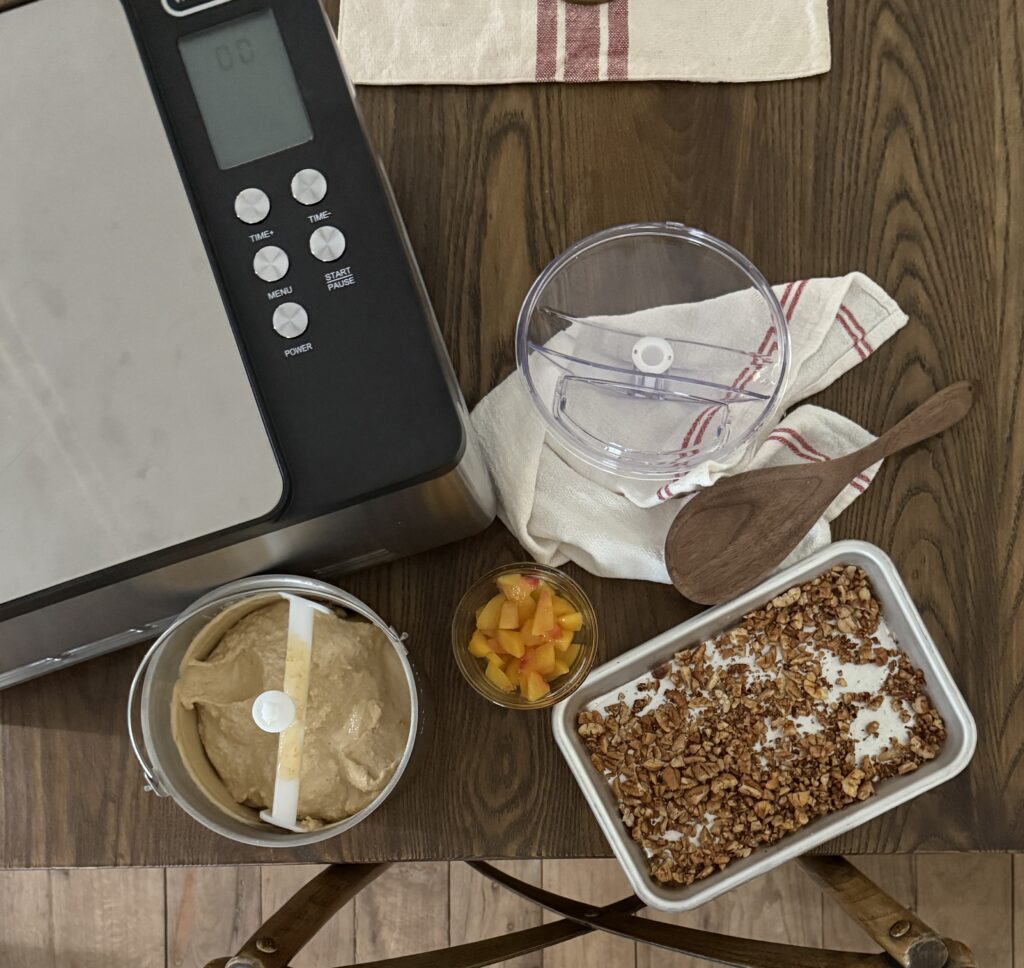
Pour the chilled custard into the ice cream maker and churn according to the manufacturer’s instructions (typically 30-60 minutes) until it reaches a soft-serve consistency.
During the last 5 minutes of churning, add the butter-toasted pecans and remaining cut up peaches through the opening, allowing them to mix evenly.
4. Freeze and Serve:
Transfer the ice cream to a freezer-safe container, pressing plastic wrap or parchment paper onto the surface to prevent ice crystals.
Freeze for 2–4 hours for a firmer texture. Let sit at room temperature for 5–10 minutes before scooping to soften slightly.
Serve in bowls or cones, optionally garnished with a drizzle of maple syrup or extra toasted pecans.
How to Freeze Fresh Picked Peaches
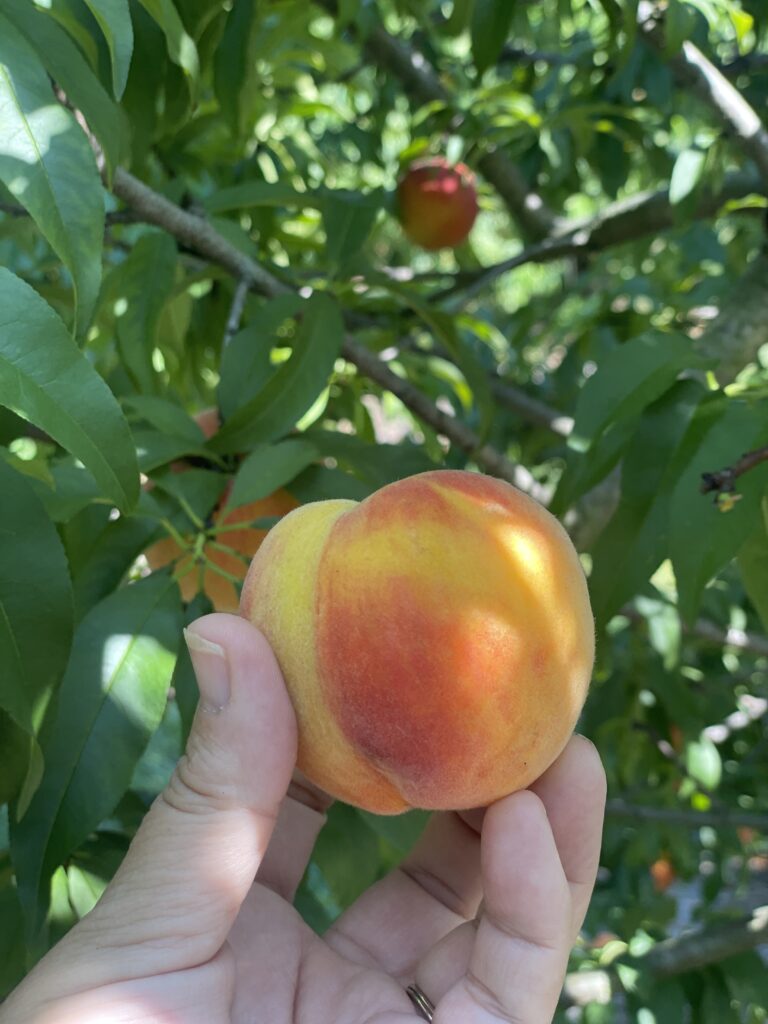
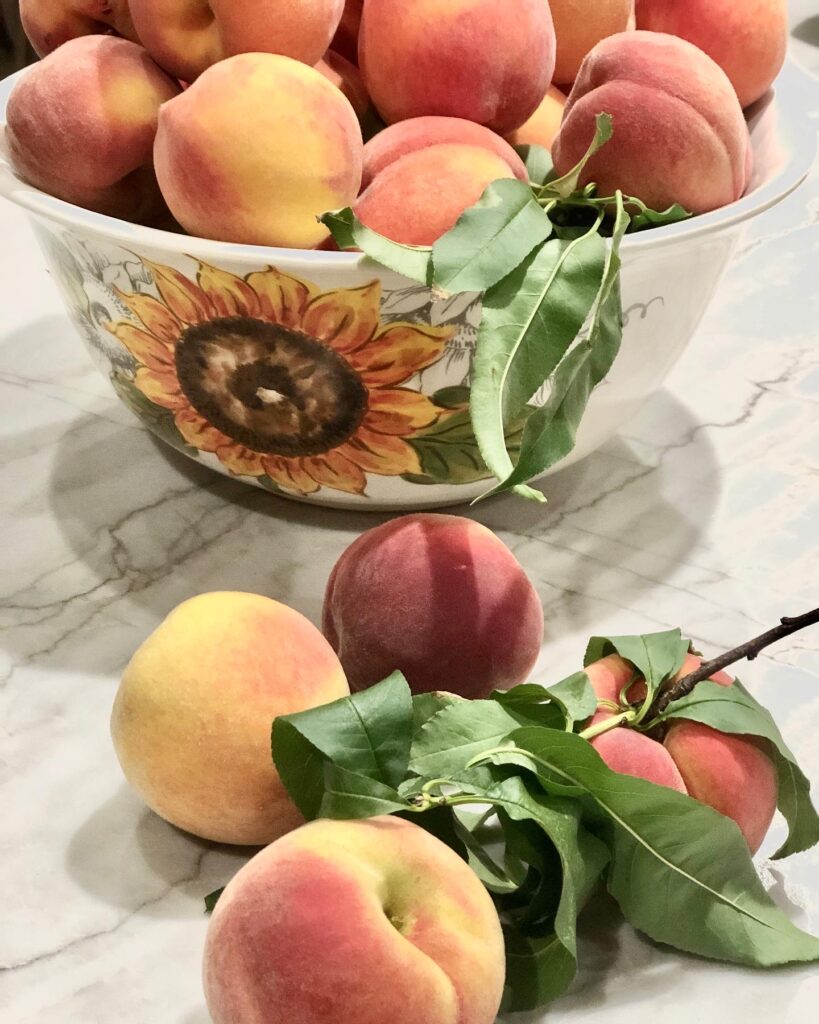
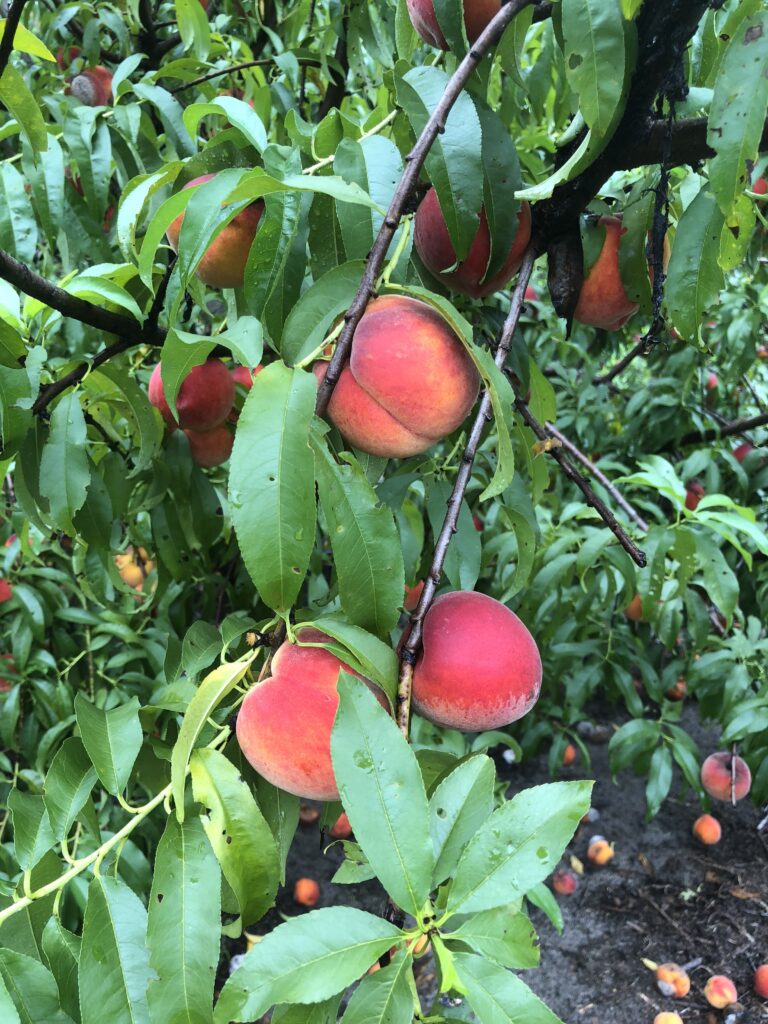
If you are like me and love peaches, pick enough to last all year long.
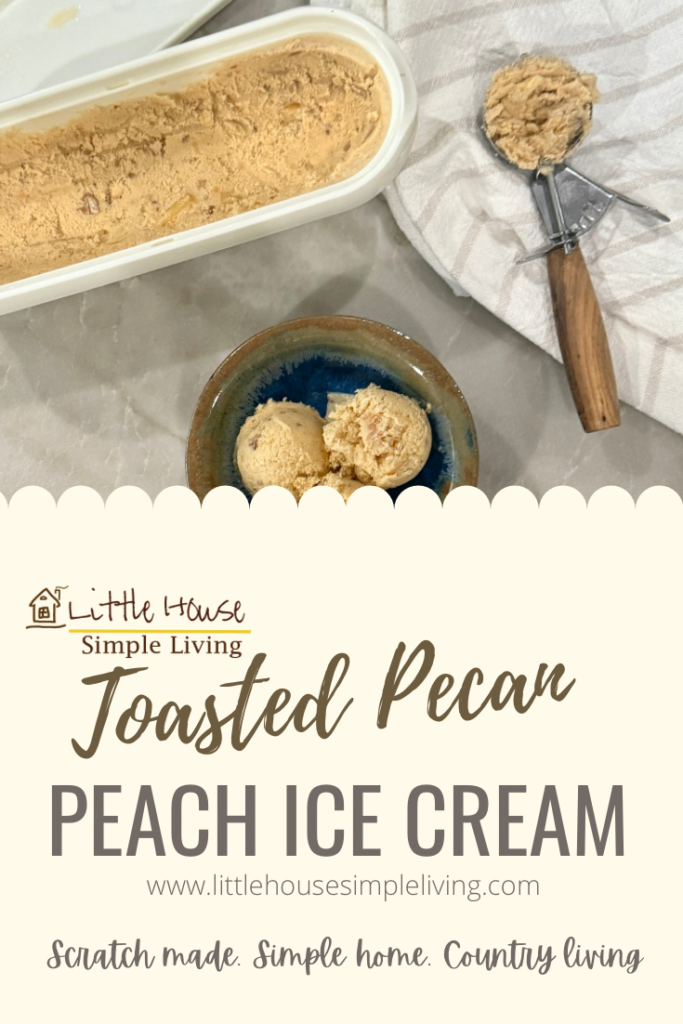
Pin For Later
Tips
Maple Syrup: Use pure maple syrup for authentic flavor; avoid pancake syrup, which is mostly corn or high-fructose syrup. Grade Amber or dark maple syrup provides a more robust taste.
Sugar: My sweetener of choice is coconut sugar (on top of honey and maple syrup). It’s low glycemic so it doesn’t spike your blood sugar when eating in moderation like regular white sugar. Feel free to use any sweetener you like. It’s a 1:1 ratio when substituting.
Pecan Texture: Toasting pecans with butter and coconut sugar enhances their crunch and flavor. Freezing them before adding to the ice cream prevents them from becoming soggy.
Milk/Cream: I love the consistency and health benefits of raw milk but feel free to use whatever kind you like. I can’t digest store bought milk or ice cream for that matter. When milk goes through pasteurization, all of the vital nutrients disappear. I haven’t tried coconut or almond milk so that might be an option you can experiment with.
Peaches: If using frozen peaches, remove the bag from the freezer. Once defrosted, squeeze any water from the peaches. Dice them up in small cubes. Place them in the blender and blend until smooth. At the step where you add the mix-ins 5 minutes before the ice cream is done churning, add the remaining 1/4 of them chopped peaches with the toasted pecans.
Custard Care: Stir constantly while heating the custard to prevent scorching in the saucepan. If you prefer a no-cook version, you can adapt a no-churn recipe by mixing maple syrup, whipped cream, and sweetened condensed milk, then folding in the pecans.
Storage: Store in an airtight container in the freezer for up to 2 weeks. Homemade ice cream may develop ice crystals over time due to the lack of commercial stabilizers.
Serving Suggestions: Pair with iron skillet peach crisp, or a sprinkle of cinnamon for a healthy treat.
Where to Buy Farm Fresh Peaches
If you don’t live near a peach farm, have no fear. You can actually order peaches online and get them either delivered to your home or pick them up at a local drop point.
Why Use Raw Milk and Cream?
Benefits:
1. Enhanced Flavor and Richness:
Raw milk and cream retain their natural enzymes and fat structure, which can contribute to a richer, more complex flavor compared to pasteurized dairy. Many describe raw dairy as having a fresher, creamier taste with subtle grassy or nutty notes, which can elevate the flavor profile of ice cream, especially in recipes featuring delicate flavors like maple and pecans.
In ice cream, the higher fat content of raw cream (often less processed than commercial versions) can result in a smoother, more luxurious texture without the need for stabilizers.
2. Nutrient Retention:
Raw milk and cream contain natural enzymes (like lactase and lipase), vitamins (such as A, D, and B12), and minerals (like calcium and magnesium) that may be diminished during pasteurization or ultra-pasteurization. For example, raw dairy retains more heat-sensitive vitamins, which could add marginal nutritional value to homemade desserts.
Some proponents claim raw dairy is easier to digest for those with mild lactose intolerance due to active lactase enzymes, though scientific evidence on this is mixed and depends on individual tolerance.
3. Culinary Versatility:
The natural fat and protein structure of raw cream can improve the texture of ice cream, creating a creamier consistency without excessive churning. This is particularly beneficial for custard-based recipes like your Old-Fashioned Peach Pecan Ice Cream, where a velvety texture is key.
Raw milk’s unprocessed nature allows it to integrate well with bold flavors like maple syrup, enhancing the overall taste without competing with additives found in some commercial dairy products.
4. Support for Traditional Methods:
Using raw dairy aligns with artisanal or traditional ice cream-making techniques, appealing to those seeking a farm-to-table experience. It can provide a closer connection to the source of the ingredients, especially if sourced from local, trusted farms.
Raw cream’s natural thickness can reduce the need for additional emulsifiers or thickeners, simplifying the ingredient list for homemade recipes.
Considerations and Cautions
Safety Risks: Raw milk and cream are not pasteurized, meaning they may contain harmful bacteria like Salmonella, E. coli, or Listeria if not handled properly. This is a significant concern for pregnant women, children, the elderly, or those with compromised immune systems. Always source raw dairy from reputable, certified farms with strict hygiene standards.
Legal Restrictions: Raw milk sales are regulated or banned in some regions (e.g., certain U.S. states or countries) due to health concerns. Check local laws before purchasing.
Shelf Life: Raw dairy has a shorter shelf life than pasteurized versions and must be stored carefully (below 40°F/4°C) to maintain freshness, especially for recipes requiring chilling, like ice cream custard.
Recipe Adjustments: If using raw milk and cream in your ice cream recipe, monitor the custard closely during heating. While raw dairy can be heated safely to 160°F for custard without losing its benefits, avoid overheating to preserve flavor. Ensure proper cooling to prevent bacterial growth.
Applied to Toasted Pecan Peach Ice Cream
Flavor Boost: Replace the store bought heavy cream and whole milk in your recipe with raw cream and raw milk for a deeper, more authentic dairy taste that complements the peaches and pecans.
Texture: Raw cream’s higher fat content can enhance the ice cream’s creaminess, potentially reducing churn time slightly. Ensure the custard is heated to 160°F to kill potential bacteria while maintaining a smooth consistency.
Sourcing: Use raw dairy from a trusted local farm to ensure quality and safety. Verify that the farm tests for pathogens and follows sanitary practices.
Tips
Source Carefully: Purchase from farms with transparent testing protocols. Look for certifications like those from the Raw Milk Institute if available. Get to know your farmer. Your cream and milk should be a beautiful rich yellow color. That means the cows are enjoying beautiful pasture.
Handle Safely: Keep raw dairy refrigerated and use within a few days. Sanitize all equipment when making ice cream to avoid contamination.
Test Small Batches: If new to raw dairy, try a small batch of ice cream to assess flavor and texture differences before scaling up.
Tools Used in This Recipe
Organic Pure Ground Vanilla Powder
Homemade Vanilla Extract
Resources:
https://therike.com/blogs/health-beauty-tips-trends-and-wellness-insights/the-truth-about-raw-milk
https://rawmilk.com/the-shame-of-pastuerization
https://www.organicfacts.com/raw-milk.html
https://www.rawinstitute.org
Saraiva A, Carrascosa C, Ramos F, Raheem D, Lopes M, Raposo A. Coconut Sugar: Chemical Analysis and Nutritional Profile; Health Impacts; Safety and Quality Control; Food Industry Applications. Int J Environ Res Public Health. 2023 Feb 19;20(4):3671. doi: 10.3390/ijerph20043671. PMID: 36834366; PMCID: PMC9964017.
Toasted Pecan Peach Ice Cream
Ingredients
Method
- Heat a cast iron skillet over medium heat. Add butter and it melt. Add pecans and stir frequently for 3-5 minutes until fragrant and lightly browned. For a candied effect, sprinkle in 1 tablespoon of coconut sugar and a pinch of salt, stirring until coated. Transfer pecans to a plate to cool completely, then store in the freezer until needed to prevent sogginess.
- Peel, pit and chop peaches into small chunks. In a bowl, combine peaches and 1/4 cup of coconut sugar. Let sit for 15-20 minutes to release the juices. Pulse 3/4 of the peach mixture in a blender or food processor until smooth but with slight peach chunks remaining. Reserve the other 1/4 cup for folding in later during the churning process.
- In a large saucepan, add milk, cream and sugar until all is evenly combined. Slowly, start adding the eggs, stirring constantly, until the mixture reaches 160° F and lightly coats the back of a spoon (about 15 minutes). Do not boil to avoid curdling. Remove from heat and stir in the vanilla, and the puréed peaches.Meanwhile, add 1 cup of cream to a bowl. Next, strain the warm milk mixture through a fine mesh sieve into the bowl. Scrape all the milk/egg mixture down into the bowl. You may notice pieces of egg in the sieve. Discard those. Cool the custard in an ice bath (place the bowl in a large bowl of ice water) for 10 minutes, stirring occasionally. Cover and refrigerate for at least 4 hours, preferably overnight.
- Pre-freeze your ice cream maker’s canister (at least 12-15 hours for most models). This one I have doesn’t require a pre-freeze. Pour the chilled custard into the ice cream maker and churn according to the manufacturer’s instructions (typically 30-60 minutes) until it reaches a soft-serve consistenc.
I hope you love the delicious taste of my healthier version of Toasted Pecan Peach Ice Cream. It’s perfect after a Summer BBQ or even in the fall along a slice of peach crisp. Tag me over on Instagram if you make this recipe. .I’d love to see how yours turns out!
Medical Disclaimer:
The content on our website is for informational and educational purposes only. It is not intended to provide medical advice. It is also not intended to take the place of such advice or treatment from a personal physician. All readers/viewers of this content are advised to consult their doctors or qualified health professionals regarding specific health questions. Wendy Walker, NTP (Little House Simple Living) and the publisher of this content do not take responsibility. This applies to any health consequences that might occur. It applies to any person reading or following the information in this educational content. All viewers of this content should consult their physicians. This is especially true for those taking prescription or over-the-counter medications. They should do this before beginning any nutrition, supplement or lifestyle program.

Wendy Lea Walker, NTP
Nutritional Therapy Practitioner

Leave a Reply